








Jakie materiały są powszechnie używane do produkcji nitów drążonych i jak wpływają one na ich działanie?
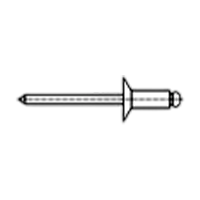
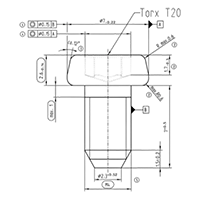
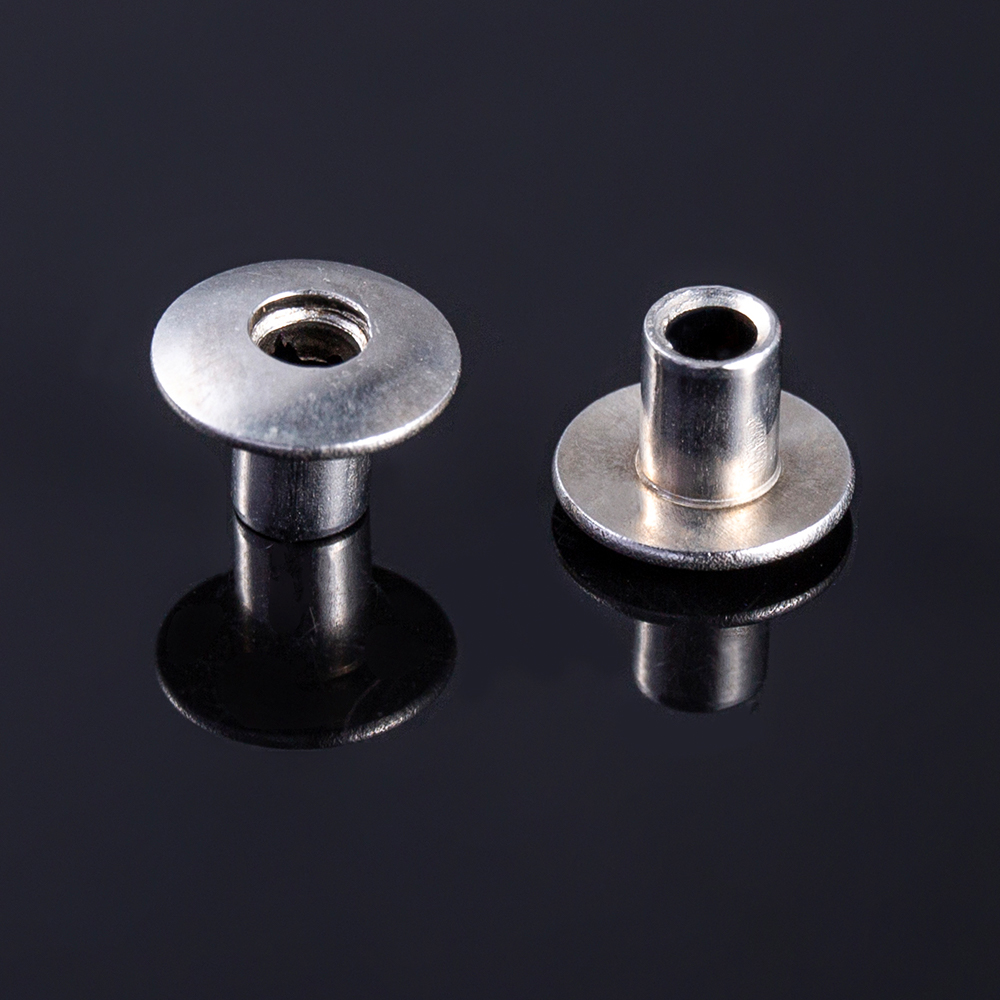
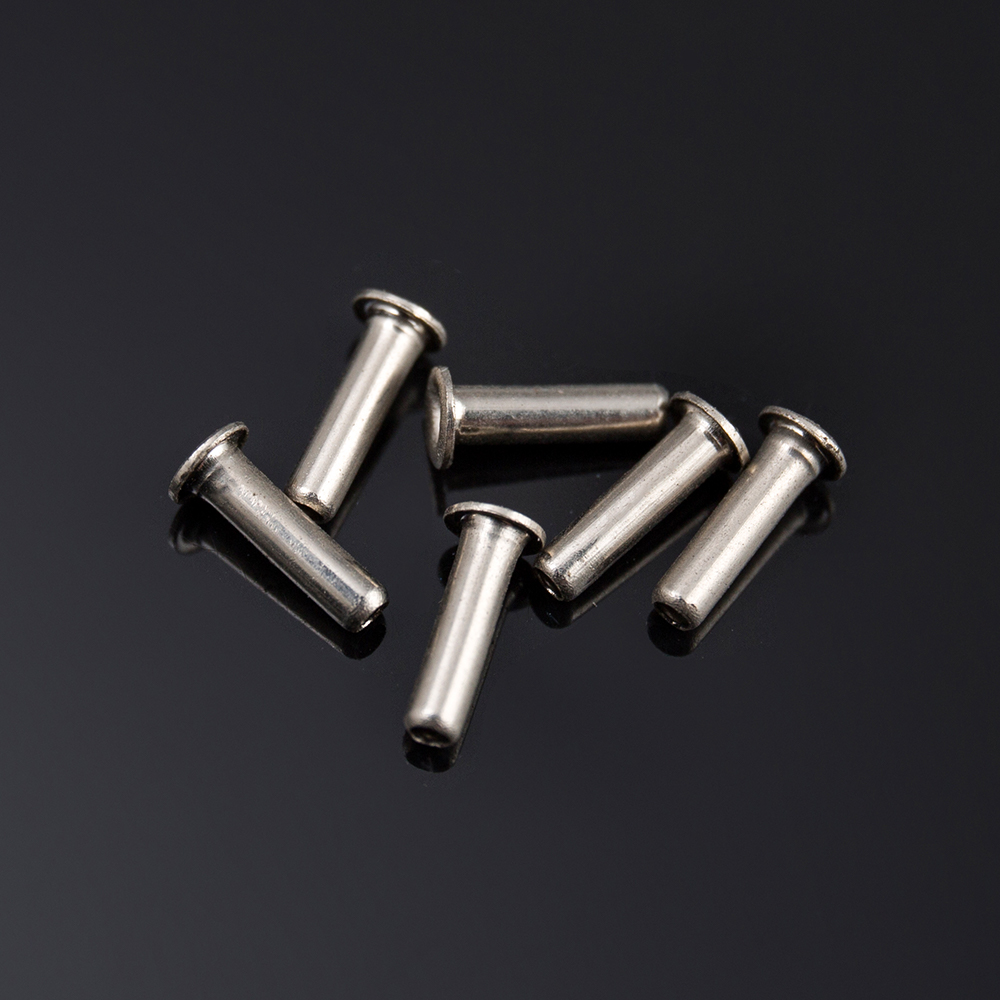
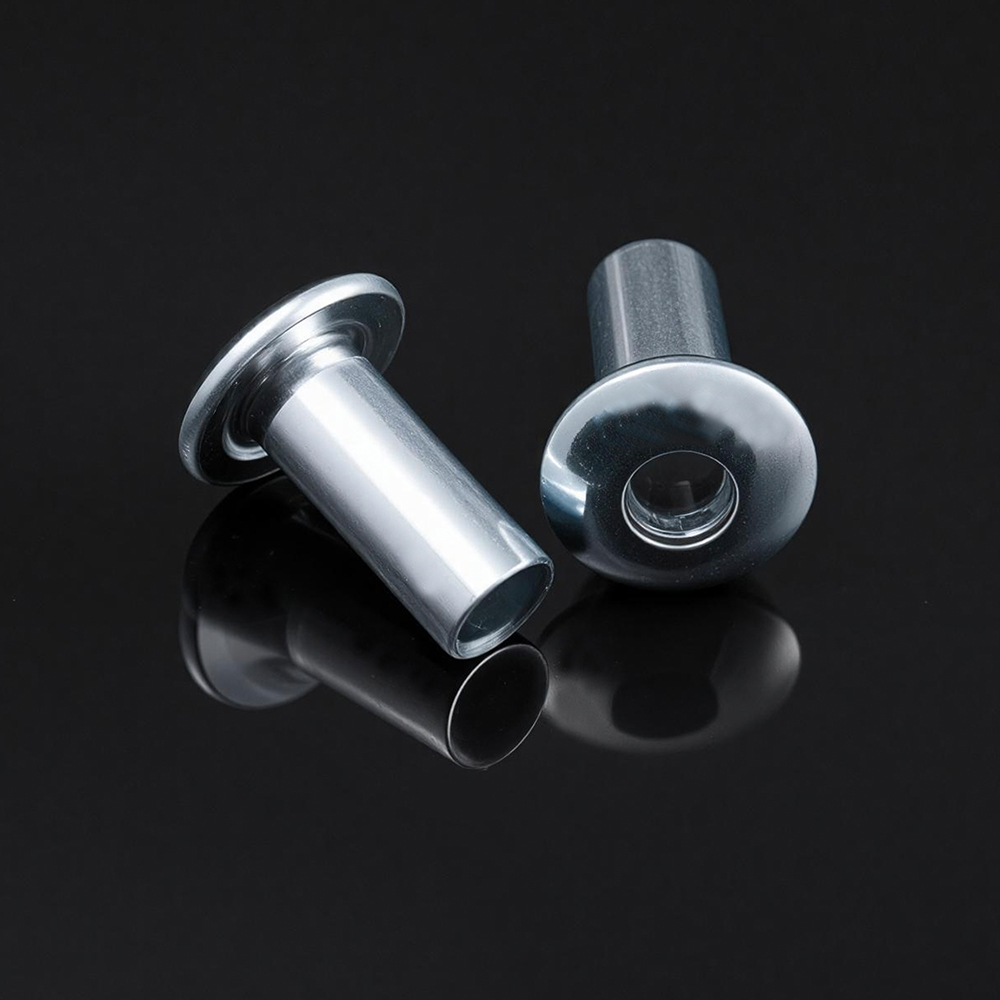
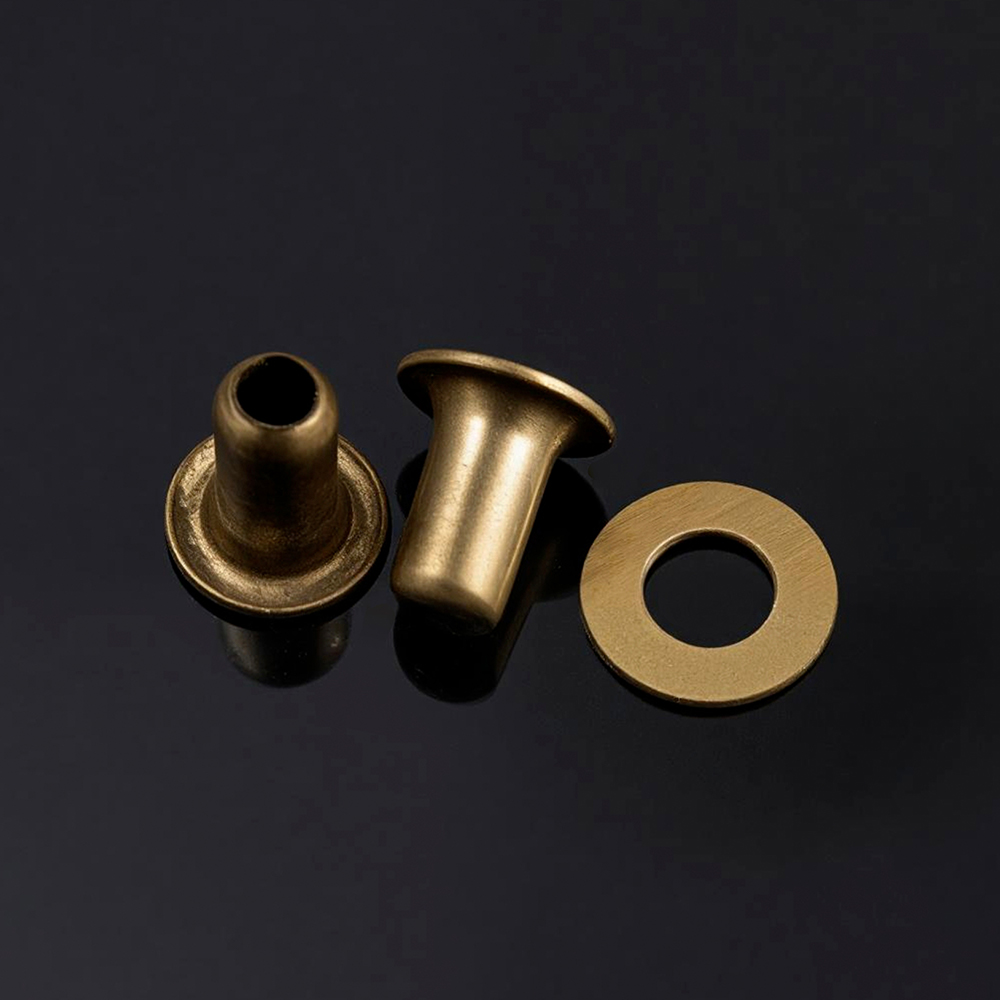
Puste nity to elementy mocujące wykonane z wydrążonym przekrojem wewnątrz korpusu nitu, umożliwiającym łatwiejsze odkształcenie podczas montażu, przy jednoczesnym zachowaniu niezawodnej wydajności połączenia. Materiał wybrany na nity drążone ma bezpośredni wpływ na ich wytrzymałość mechaniczną, odporność na korozję, wagę, trwałość i przydatność do różnych środowisk przemysłowych.
W nowoczesnej produkcji wybór materiału jest krytycznym czynnikiem przy projektowaniu rozwiązań złącznych. Różne gałęzie przemysłu wymagają różnych charakterystyk użytkowych, takich jak lekka konstrukcja, duża nośność, odporność na korozję lub długoterminowa stabilność w trybie ciągłej pracy. Dlatego inżynierowie muszą ocenić warunki zastosowania przed wyborem odpowiednich materiałów na nity drążone.
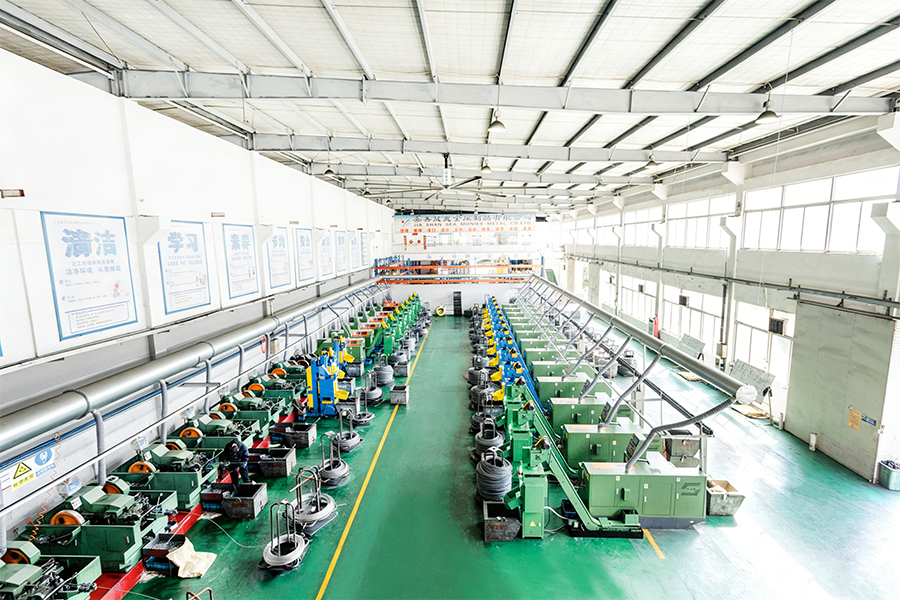
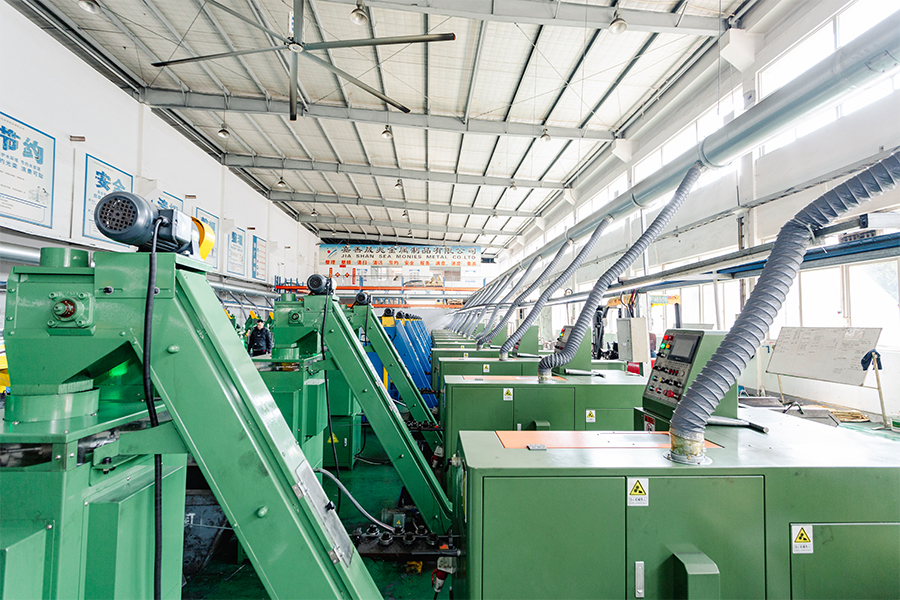
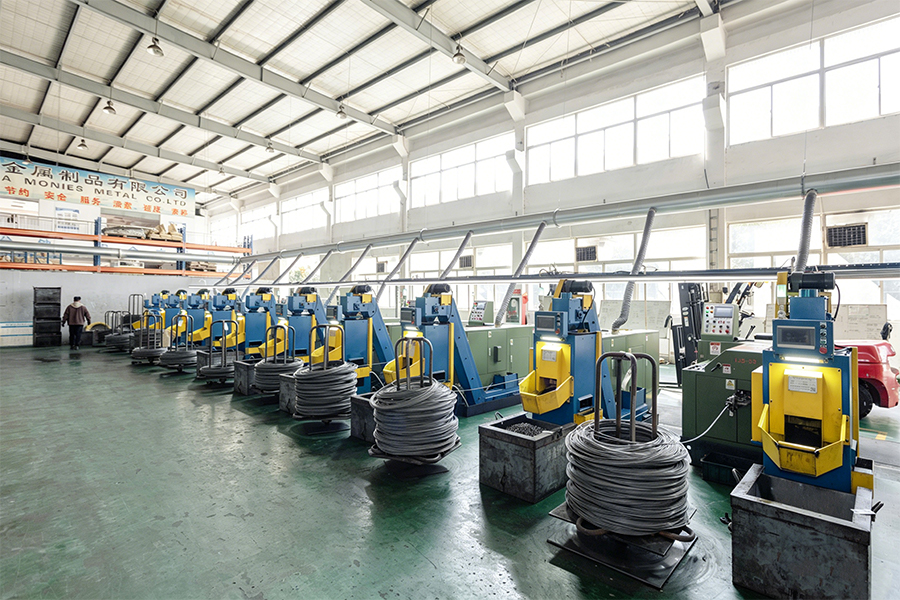
Zhejiang Chance & Union Import and Export Co., Ltd. (Chance & Union) specjalizuje się w elementach złącznych o dużej wytrzymałości. Firma oferuje śruby, nakrętki, podkładki i części na zamówienie wykonane ze stali nierdzewnej, stali stopowej i innych, obsługując ponad 200 klientów w 25 krajach. Dzięki 20-letniemu doświadczeniu w branży firma Zhejiang Chance & Union Import and Export Co., Ltd. (Chance & Union) zapewnia dostosowane rozwiązania w zakresie elementów złącznych, od badań i rozwoju po produkcję masową.
Do zastosowań przemysłowych wymagających lekkich konstrukcji i niezawodnego mocowania, puste nity zapewniają elastyczne rozwiązania z różnymi opcjami materiałowymi, aby spełnić różne wymagania inżynieryjne.
Dlaczego wybór materiału jest ważny w przypadku nitów drążonych
Wydajność nitów drążonych zależy w dużej mierze od właściwości fizycznych i mechanicznych wybranego materiału. Ponieważ nity drążone są zaprojektowane tak, aby odkształcać się podczas montażu, materiał musi zapewniać odpowiednią równowagę pomiędzy wytrzymałością a zdolnością do formowania.
Kluczowe czynniki wyboru materiału obejmują:
- Wytrzymałość mechaniczna: Określa nośność nitu po zamontowaniu.
- Ciągliwość: Wpływa na łatwość formowania nitu bez pękania lub uszkodzenia.
- Odporność na korozję: Wpływa na żywotność w różnych środowiskach.
- Waga: Ważne w zastosowaniach wymagających lekkich konstrukcji.
- Odporność na temperaturę: Określa przydatność do pracy w wysokich temperaturach.
Typowe materiały używane do nitów drążonych
Różne materiały są wybierane w zależności od wymagań aplikacji. Najpopularniejsze opcje materiałowe obejmują stal nierdzewną, stal stopową, stal węglową i stop aluminium.
| Rodzaj materiału | Główna charakterystyka | Zalety wydajności | Typowe wymagania aplikacji |
| Stal nierdzewna | Dobra odporność na korozję i stabilne właściwości mechaniczne | Długa żywotność i trwałość środowiska | Zastosowania narażone na wilgoć, chemikalia lub warunki zewnętrzne |
| Stal stopowa | Wysoka wytrzymałość i doskonałe właściwości mechaniczne | Silna zdolność nośna | Montaże przemysłowe wymagające większej wytrzymałości |
| Stal węglowa | Zrównoważona siła i wydajność przetwarzania | Ekonomiczne i odpowiednie do zastosowań ogólnych | Ogólne wymagania dotyczące mocowania przemysłowego |
| Stop aluminium | Lekki i dobrej odporności na korozję | Zmniejsza całkowitą wagę komponentu | Zastosowania wymagające lekkich konstrukcji |
Nity drążone ze stali nierdzewnej
Stal nierdzewna jest powszechnie wybierana na nity drążone, gdy ważna jest odporność na korozję i długoterminowa trwałość. Jego stabilne właściwości mechaniczne sprawiają, że nadaje się do zastosowań narażonych na wilgoć, chemikalia lub zmieniające się warunki środowiskowe.
Zalety nitów drążonych ze stali nierdzewnej obejmują:
- Silna odporność na korozję
- Dobra trwałość powierzchni
- Stabilna wydajność w wymagających środowiskach
- Nadaje się do długotrwałego użytku przemysłowego
| Współczynnik wydajności | Stal nierdzewna Hollow Rivets | Ogólne stalowe nity drążone |
| Odporność na korozję | Wysoka odporność na narażenie środowiskowe | Wymaga dodatkowej ochrony w środowiskach korozyjnych |
| Trwałość | Nadaje się do długotrwałej pracy | Zależy od ochrony powierzchni i środowiska |
| Środowisko aplikacji | Nadaje się do wymagających warunków | Nadaje się do ogólnych zastosowań przemysłowych |
Nity drążone ze stali stopowej
Nity drążone ze stali stopowej wybiera się, gdy wymagana jest większa wytrzymałość mechaniczna. Elementy stopowe poprawiają właściwości materiału i pozwalają nitom wytrzymać większe obciążenia i naprężenia mechaniczne.
Główne cechy obejmują:
- Wyższa wytrzymałość na rozciąganie
- Poprawiona odporność na zużycie
- Lepsza wydajność pod obciążeniem mechanicznym
- Nadaje się do zastosowań o dużym obciążeniu
| Wymagania dotyczące wydajności | Stal stopowa Hollow Rivets | Stop aluminium Hollow Rivets |
| Możliwości siły | Wyższa wydajność nośna | Niższa wytrzymałość przy lekkiej przewadze |
| Waga | Większa gęstość materiału | Niższa waga całkowita |
| Podstawowa zaleta | Trwałość mechaniczna | Waga reduction |
Nity drążone ze stali węglowej
Stal węglowa jest powszechnie stosowana do nitów drążonych, ponieważ zapewnia równowagę między wytrzymałością, możliwościami produkcyjnymi i wydajnością produkcji. Nadaje się do zastosowań, w których ekstremalna odporność na korozję nie jest głównym wymaganiem.
Nity drążone ze stali węglowej są powszechnie stosowane do:
- Ogólne urządzenia przemysłowe
- Zespoły mechaniczne
- Połączenia elementów metalowych
- Zastosowania produkcyjne na dużą skalę
Nity drążone ze stopu aluminium
Nity drążone ze stopu aluminium są preferowane w zastosowaniach, w których ważne jest zmniejszenie masy. Ich lekkość sprawia, że nadają się do zastosowań w branżach wymagających efektywnego wykorzystania materiałów przy jednoczesnym zachowaniu niezawodnej wydajności mocowania.
Kluczowe zalety to:
- Niska waga materiału
- Dobra odporność na korozję
- Łatwy montaż dzięki zmniejszonej masie
- Nadaje się do lekkich konstrukcji
Jak materiały wpływają na działanie nitów drążonych
Materiał nitu drążonego określa jego zachowanie podczas montażu i eksploatacji. Inżynierowie muszą wziąć pod uwagę zarówno wymagania instalacyjne, jak i długoterminowe warunki użytkowania.
| Własność materialna | Wpływ na działanie nitów drążonych |
| Siła | Wpływa na zdolność wytrzymywania obciążeń zewnętrznych i naprężeń mechanicznych |
| Ciągliwość | Wpływa na jakość odkształcenia podczas instalacji |
| Odporność na korozję | Określa przydatność w trudnych warunkach |
| Waga | Wpływa na całkowitą masę zestawu |
| Odporność na temperaturę | Wpływa na wydajność w zastosowaniach wysokotemperaturowych |
Przewodnik doboru materiałów do różnych zastosowań przemysłowych
| Wymagania aplikacji | Zalecane rozważenie materiału | Główny powód |
| Wysoka odporność na korozję | Stal nierdzewna | Zapewnia lepszą trwałość środowiskową |
| Wysokie obciążenie mechaniczne | Stal stopowa | Zapewnia wyższą wydajność wytrzymałościową |
| Waga Reduction | Stop aluminium | Zmniejsza całkowitą masę konstrukcji |
| Ogólne zastosowanie przemysłowe | Stal węglowa | Równoważy siłę i wydajność produkcji |
Jak firma Zhejiang Chance & Union wspiera rozwiązania w zakresie nitów drążonych
Zhejiang Chance & Union Import and Export Co., Ltd. (Chance & Union) koncentruje się na dostarczaniu niestandardowych rozwiązań w zakresie mocowania do zastosowań przemysłowych. Dzięki doświadczeniu w zakresie elementów złącznych o wysokiej wytrzymałości firma oferuje śruby, nakrętki, podkładki i niestandardowe części wykonane ze stali nierdzewnej, stali stopowej i innych materiałów.
Dzięki 20-letniemu doświadczeniu w branży firma Zhejiang Chance & Union Import and Export Co., Ltd. (Chance & Union) wspiera klientów od badań i rozwoju po produkcję masową, pomagając w opracowywaniu elementów złącznych spełniających określone wymagania dotyczące wytrzymałości, trwałości i wydajności aplikacji.
Często zadawane pytania dotyczące materiałów z nitami drążonymi
1. Jaki jest najbardziej odpowiedni materiał na nity drążone?
Najbardziej odpowiedni materiał zależy od wymagań aplikacji, w tym warunków obciążenia, narażenia na środowisko, wymagań dotyczących ciężaru i oczekiwań dotyczących trwałości. Stal nierdzewna, stal stopowa, stal węglowa i stop aluminium są powszechnie wybierane w oparciu o różne wymagania dotyczące wydajności. Zhejiang Chance & Union Import and Export Co., Ltd. (Chance & Union) zapewnia dostosowane do indywidualnych potrzeb rozwiązania w zakresie mocowania, wykorzystujące różne materiały, aby spełnić wymagania przemysłowe.
2. W jaki sposób dobór materiału wpływa na działanie nitów drążonych?
Wybór materiału wpływa na wytrzymałość, odporność na korozję, wydajność instalacji i żywotność. Na przykład stal nierdzewna zapewnia lepszą odporność na korozję, podczas gdy stal stopowa zapewnia wyższą wytrzymałość mechaniczną. Zhejiang Chance & Union Import and Export Co., Ltd. (Chance & Union) specjalizuje się w elementach złącznych o wysokiej wytrzymałości i niestandardowych częściach wykonanych ze stali nierdzewnej, stali stopowej i innych.
3. Dlaczego warto wybrać firmę Zhejiang Chance & Union w zakresie niestandardowych rozwiązań w zakresie nitów drążonych?
Zhejiang Chance & Union Import and Export Co., Ltd. (Chance & Union) zapewnia dostosowane rozwiązania w zakresie mocowania, od badań i rozwoju po produkcję masową. Dzięki 20-letniemu doświadczeniu w branży firma obsługuje ponad 200 klientów w 25 krajach i koncentruje się na dostarczaniu niezawodnych elementów złącznych zgodnie z konkretnymi wymaganiami zastosowań przemysłowych.





