












Równoważenie wysokiej wytrzymałości i opóźnionej odporności na pękanie w śrubach o dużej wytrzymałości: synergistyczna optymalizacja stosunku plastyczności do rozciągania (Y/T) i zmniejszenie powierzchni (Z%)
Wybór śruby o dużej wytrzymałości do zastosowań krytycznych — fundamentów turbin wiatrowych, sprzętu górniczego i ciężkich maszyn — wymaga znalezienia fundamentalnego kompromisu metalurgicznego: wyższe klasy wytrzymałości (np. 10.9, 12.9) zapewniają większą nośność, ale są bardziej podatne na opóźnione pękanie (kruchość wodorowa i pękanie korozyjne naprężeniowe). Dwa parametry mechaniczne — współczynnik plastyczności do rozciągania (Y/T) i zmniejszenie powierzchni (Z%) — zapewniają ilościowe ramy dla zrównoważenia tych sprzecznych wymagań. W tym artykule wyjaśniono, jak te parametry współdziałają ze sobą i jak je zoptymalizować, aby zapewnić niezawodną i długoterminową obsługę.
1. Zdefiniowanie dwóch kluczowych parametrów
Poniższa tabela określa stosunek Y/T i redukcję powierzchni (Z%) oraz wyjaśnia ich indywidualną rolę w działaniu łącznika.
| Parametr | Definicja | Znaczenie fizyczne | Wpływ na wydajność |
|---|---|---|---|
| Stosunek plastyczności do wytrzymałości na rozciąganie (Y/T = Rp0,2 / Rm) | Stosunek granicy plastyczności (przesunięcie 0,2%) do wytrzymałości na rozciąganie | Wskazuje wielkość odkształcenia plastycznego dostępnego przed pęknięciem | Niższy Y/T (np. 0,85–0,90) zapewnia większą ciągliwość i lepszą odporność na przeciążenia, ale mniejsze wykorzystanie wytrzymałości. Wyższy Y/T (≥0,95) maksymalizuje wytrzymałość, ale zmniejsza plastyczność i zwiększa ryzyko opóźnionego złamania. |
| Zmniejszenie powierzchni (Z%) | Procentowe zmniejszenie pola przekroju poprzecznego w miejscu pęknięcia podczas próby rozciągania | Bezpośredni pomiar plastyczności materiału i odporności na przewężenie/rozerwanie | Wyższy Z% (np. ≥50%) wskazuje na lepszą wytrzymałość i odporność na kruchość wodorową. Niższe wartości Z% (np. ≤35%) sugerują kruche zachowanie i wyższą wrażliwość na karb. |
2. Konflikt: wytrzymałość a odporność na pękanie opóźnione
Pękanie opóźnione to zależny od czasu tryb uszkodzenia powodowany dyfuzją wodoru atomowego do obszarów o dużym naprężeniu trójosiowym – zwykle u nasady gwintu lub pod łbem. Śruby o większej wytrzymałości są bardziej podatne na uszkodzenia, ponieważ:
- Wyższy współczynnik Y/T: Wysoki Y/T (≥0,95) oznacza, że materiał ma ograniczoną zdolność do redystrybucji lokalnych naprężeń poprzez odkształcenie plastyczne. Prowadzi to do wyższych naprężeń szczytowych w rdzeniu karbu, przyspieszając gromadzenie się wodoru i inicjację pęknięć.
- Dolny Z%: Niewielkie zmniejszenie powierzchni (≤40%) odzwierciedla kruchą mikrostrukturę o ograniczonej zdolności pochłaniania energii przed pęknięciem. Takie materiały są bardziej wrażliwe na czynniki zwiększające naprężenia i wykazują krótszy czas propagacji pęknięć przy długotrwałej ekspozycji na wodór.
W konwencjonalnej praktyce projektowej optymalizacja zarówno wytrzymałości, jak i udarności wymaga wybrania kombinacji Y/T i Z%, która odzwierciedla wymagania serwisowe i warunki środowiskowe zastosowania.
3. Wskazówki ilościowe: optymalne zakresy Y/T i Z%.
Normy branżowe i literatura badawcza sugerują następujące zakresy wytycznych dla elementów złącznych o dużej wytrzymałości w oparciu o klasę właściwości i wagę zastosowania:
- Zakres stosunku Y/T: Ogólnie zaleca się 0,88 – 0,92 jako zrównoważony cel dla elementów złącznych klasy 10,9 w środowiskach agresywnych. Wyższe wartości (0,95 ) mogą być akceptowalne w przypadku statycznych, dobrze kontrolowanych instalacji, które nie są narażone na działanie wodoru, ale nie są zalecane w przypadku zastosowań zewnętrznych lub morskich.
- Minimalne wymagania Z%: W przypadku śrub o dużej wytrzymałości zwykle określa się minimalną redukcję powierzchni ≥48% (zgodnie z ISO 898-1 dla klasy 10.9). W środowiskach, w których problemem jest opóźnione pękanie, preferowany jest Z% ≥ 52%, zapewniający większą rezerwę wytrzymałości.
4. Strategie metalurgiczne umożliwiające osiągnięcie optymalnej kombinacji
Osiągnięcie zarówno umiarkowanego Y/T (0,88–0,92), jak i wysokiego Z% (≥50%) wymaga precyzyjnej kontroli składu stopu, obróbki cieplnej i warunków przetwarzania.
- Konstrukcja ze stopu: Dodatek mikroelementów, takich jak wanad (V), niob (Nb) lub tytan (Ti), sprzyja rozdrobnieniu ziaren i wzmocnieniu wydzieleniowemu, co może zwiększyć wytrzymałość na rozciąganie przy jednoczesnym zachowaniu ciągliwości. Kontrolowane ilości niklu (Ni) również poprawiają wytrzymałość poprzez obniżenie temperatury przejścia od plastycznego do kruchego.
- Hartowanie i odpuszczanie: Temperatura odpuszczania jest najbardziej krytyczną zmienną procesową. Odpuszczanie w wyższych temperaturach (np. 500–600°C) przez dłuższy czas zmniejsza stosunek Y/T i zwiększa Z%, umożliwiając reorganizację dyslokacji i sferoidyzację węglików. Może to jednak nieznacznie zmniejszyć ostateczną wytrzymałość na rozciąganie.
- Kontrola wielkości ziarna: Drobne, jednolite ziarno (ASTM nr 8 lub drobniejsze) zwiększa jednocześnie wytrzymałość i wytrzymałość, pomagając osiągnąć pożądaną równowagę bez utraty którejkolwiek właściwości.
5. Perspektywa produkcji i zapewnienia jakości
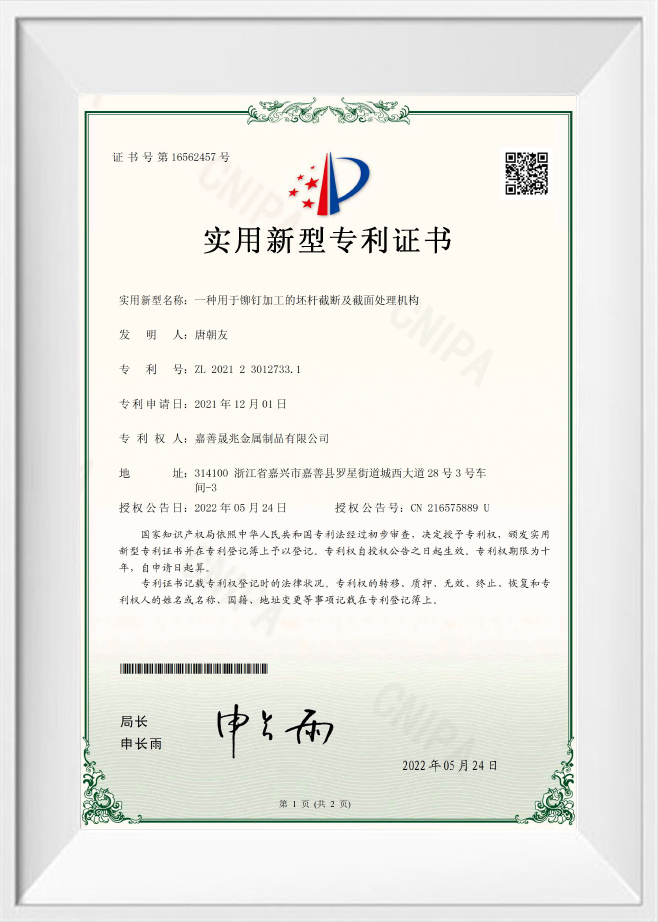
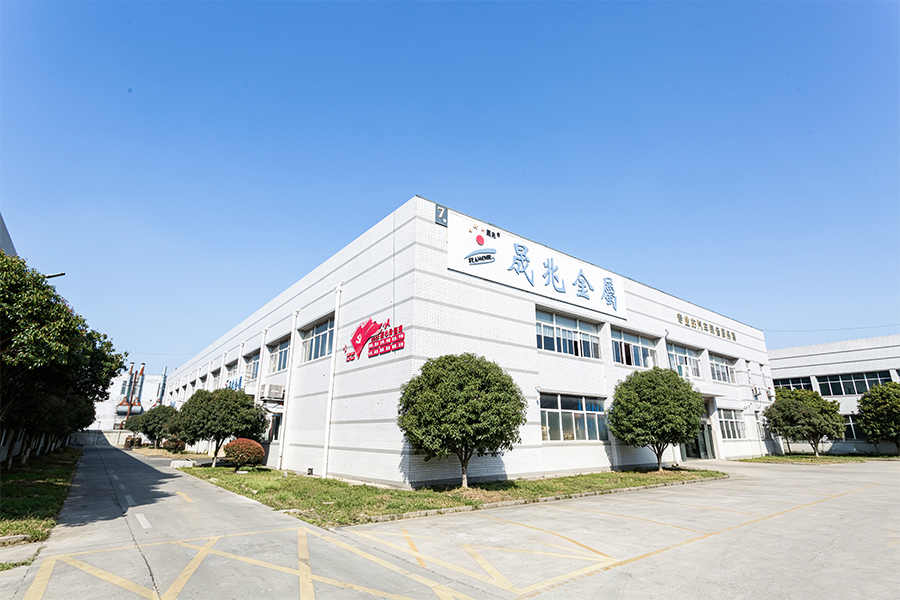
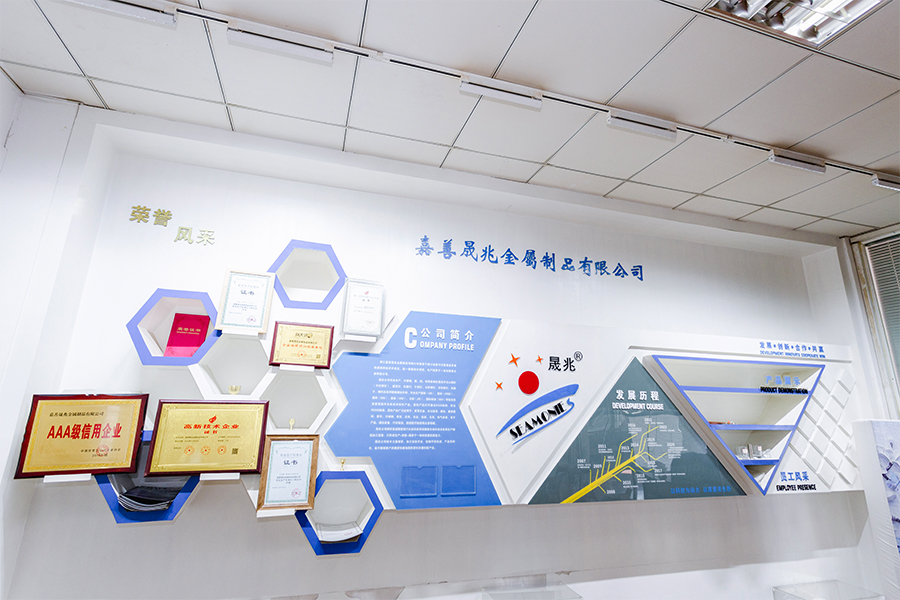
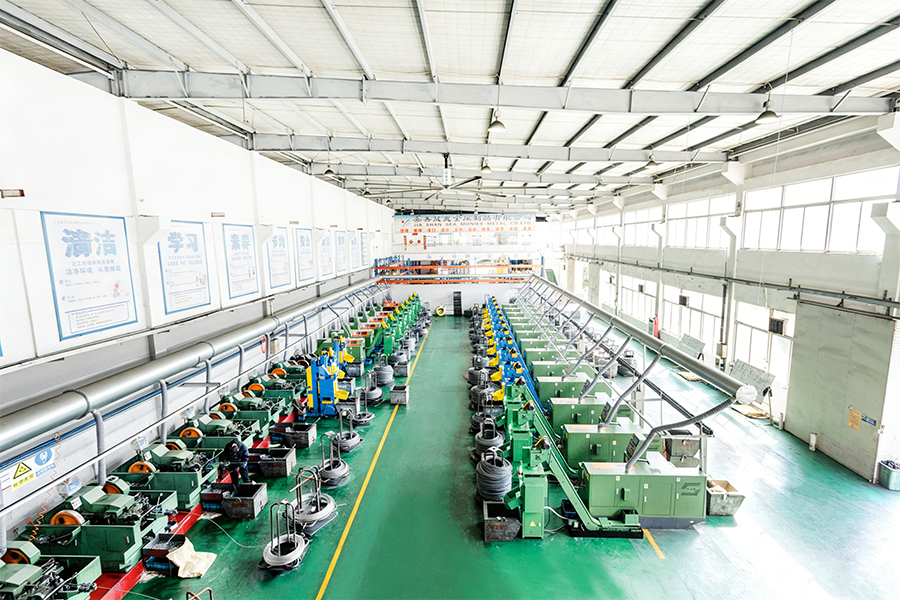
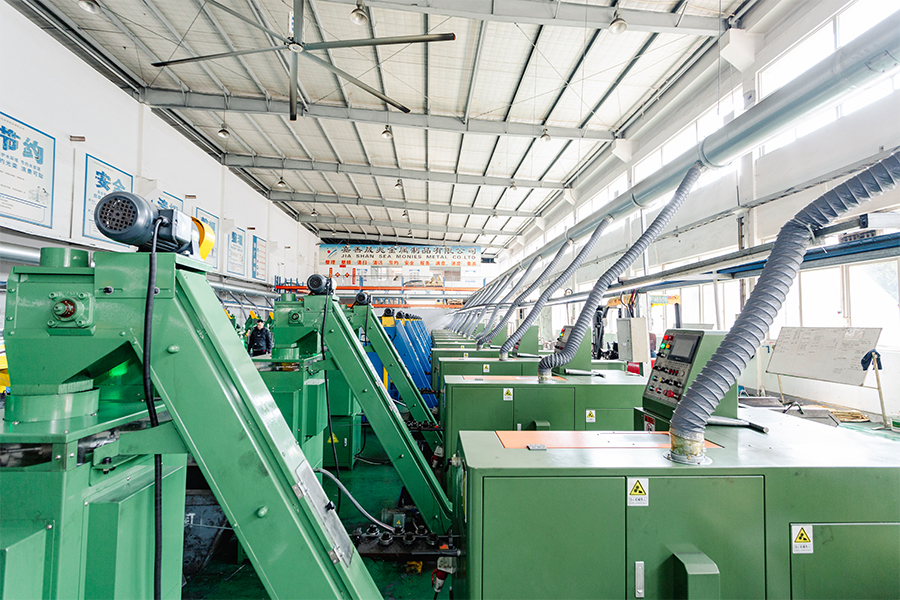
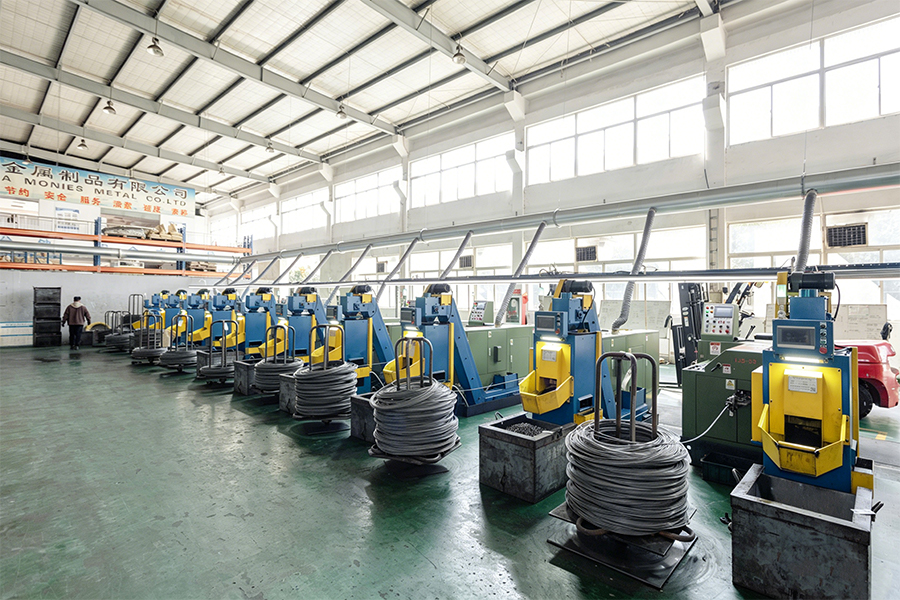
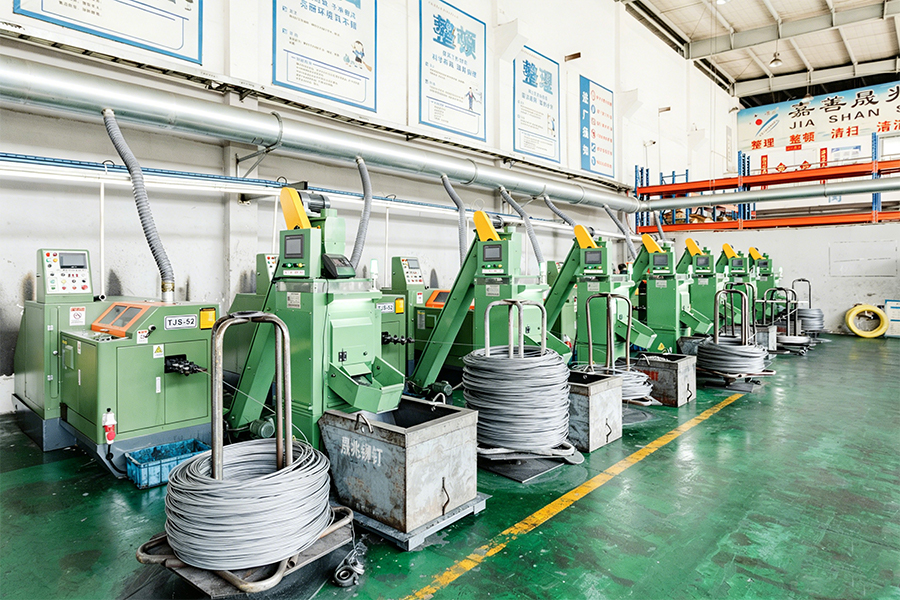
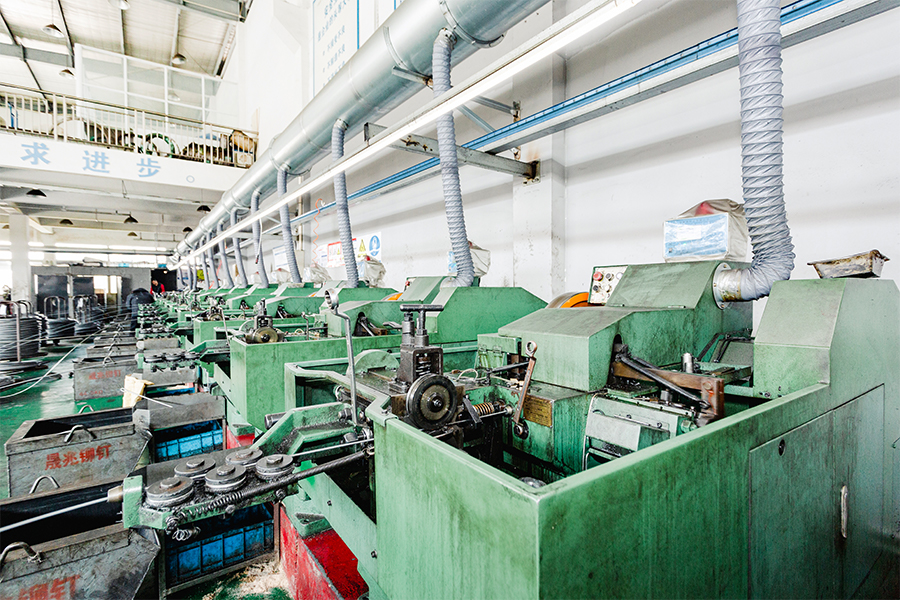
Konsekwentne osiąganie określonych wartości Y/T i Z% wymaga rygorystycznej kontroli procesu i pełnej identyfikowalności. Zhejiang Chance & Union Import and Export Co., Ltd. (Chance & Union) to przedsiębiorstwo rodzinne należące do SEA Monies Metal Co., Ltd., które dziedziczy 20-letnie doświadczenie rodzinne i dziedzictwo jakości w produkcji metali. Opierając się na dużych zdolnościach produkcyjnych Shengzhao Metal i zaletach łańcucha dostaw, specjalizujemy się w badaniach i rozwoju, produkcji i globalnej sprzedaży wysokiej jakości produktów metalowych. Kierując się rodzinnym dążeniem do precyzji, rygorystycznego podejścia do pracy i długoterminowego zaangażowania, dostarczamy stabilne i niezawodne produkty i usługi klientom na całym świecie.
Wykorzystując solidne możliwości badawczo-rozwojowe i produkcyjne fabryki, specjalizujemy się w nitach, śrubach, nakrętkach, podkładkach, sworzniach, śrubach i różnych niestandardowych częściach o wysokiej wytrzymałości. Nasz asortyment produktów obejmuje materiały, w tym stal nierdzewną, stal stopową, stop aluminium, miedź i stopy specjalne, wykorzystując takie procesy, jak kucie na zimno, kucie na gorąco i obróbka CNC. Nasze produkty eksportujemy do ponad 25 krajów, obsługując ponad 200 klientów.
Chance & Union dąży do płynnego łączenia „Wyprodukowano w Chinach” z rynkiem międzynarodowym, zapewniając klientom na całym świecie kompleksowe rozwiązania w zakresie mocowania, od badań i rozwoju po produkcję masową, dzięki profesjonalnej technologii i wyjątkowej jakości. W przypadku śrub o dużej wytrzymałości zapewniamy pełne raporty z testów mechanicznych, w tym pomiary stosunku Y/T i Z%, a także możemy dostosować parametry obróbki cieplnej, aby osiągnąć optymalną równowagę dla konkretnych warunków pracy.
6. Często zadawane pytania (FAQ)
- P1: Czy wyższy stosunek Y/T jest zawsze lepszy w przypadku śrub o dużej wytrzymałości?
O: Nie. Chociaż wyższy stosunek Y/T wskazuje na bardziej efektywne wykorzystanie wytrzymałości materiału, zmniejsza plastyczność i zwiększa wrażliwość na opóźnione pękanie. W środowiskach dynamicznych lub podatnych na wodór zaleca się Y/T w zakresie 0,88–0,92 w połączeniu z wysokim Z% (≥50%). Zhejiang Chance & Union Import and Export Co., Ltd. (Chance & Union) może dostosować obróbkę cieplną, aby osiągnąć wymaganą wartość Y/T, zachowując jednocześnie odpowiednią wytrzymałość. - P2: Jak mogę zweryfikować Z% dostarczonej partii śrub o dużej wytrzymałości?
Odp.: Z% mierzy się za pomocą standardowej próby rozciągania zgodnie z normą ISO 6892-1 lub ASTM E8, gdzie zmniejszenie pola przekroju poprzecznego w miejscu pęknięcia oblicza się na podstawie średnicy pierwotnej i końcowej. Zhejiang Chance & Union Import and Export Co., Ltd. (Chance & Union) dostarcza certyfikaty próby rozciągania zawierające wyniki Z% dla każdej partii, zapewniając identyfikowalną zgodność ze specyfikacjami. - P3: Jaki jest preferowany gatunek materiału, aby uzyskać optymalną równowagę Y/T i Z% w śrubach klasy 10.9?
Odp.: Stale stopowe, takie jak 35CrMo lub 42CrMo, po odpowiednim hartowaniu i odpuszczaniu, mogą osiągnąć współczynniki Y/T na poziomie 0,88–0,92 i wartości Z% ≥50%. Gatunki te oferują dobrze sprawdzoną równowagę wytrzymałości i udarności w zastosowaniach wymagających dużych obciążeń. Zhejiang Chance & Union Import and Export Co., Ltd. (Chance & Union) wykorzystuje te i inne zastrzeżone gatunki stopów, aby spełnić Twoje specyficzne wymagania.





