









Jak bezpiecznie usunąć zapieczoną lub zardzewiałą nakrętkę specjalną?
Zapieczona lub zardzewiała nakrętka może stanowić poważne wyzwanie podczas konserwacji, naprawy i modernizacji sprzętu. Kiedy element mocujący staje się trudny do usunięcia z powodu korozji, zanieczyszczenia, odkształcenia lub długotrwałego narażenia na trudne warunki otoczenia, niewłaściwa obsługa może spowodować uszkodzenie sąsiadujących części lub wpłynąć na niezawodność całego zespołu. Aby wybrać właściwą metodę usuwania, niezbędne jest zrozumienie struktury, właściwości materiału i przeznaczenia różnych typów nakrętek. specjalne orzechy są powszechnie projektowane pod kątem specyficznych wymagań dotyczących mocowania, w tym zastosowań, w których standardowe nakrętki nie mogą zapewnić wystarczającej elastyczności montażu lub wydajności mechanicznej.
W urządzeniach przemysłowych, maszynach, elektronice i zespołach niestandardowych nakrętki, takie jak nakrętki motylkowe, nakrętki T, nakrętki kwadratowe i inne konstrukcje specyficzne dla danego zastosowania, zapewniają ukierunkowane funkcje mocowania. Elementy te często wymagają ostrożnego demontażu, ponieważ ich kształty, pozycje montażu i materiały mogą różnić się od konwencjonalnych elementów złącznych. W tym artykule wyjaśniono techniki bezpiecznego usuwania, badając różne kategorie nakrętki specjalnego przeznaczenia , ich właściwości techniczne oraz sposób, w jaki profesjonalni producenci wspierają niestandardowe rozwiązania w zakresie mocowania.
Zrozumienie specjalistycznych nakrętek i wyzwań związanych z ich usuwaniem
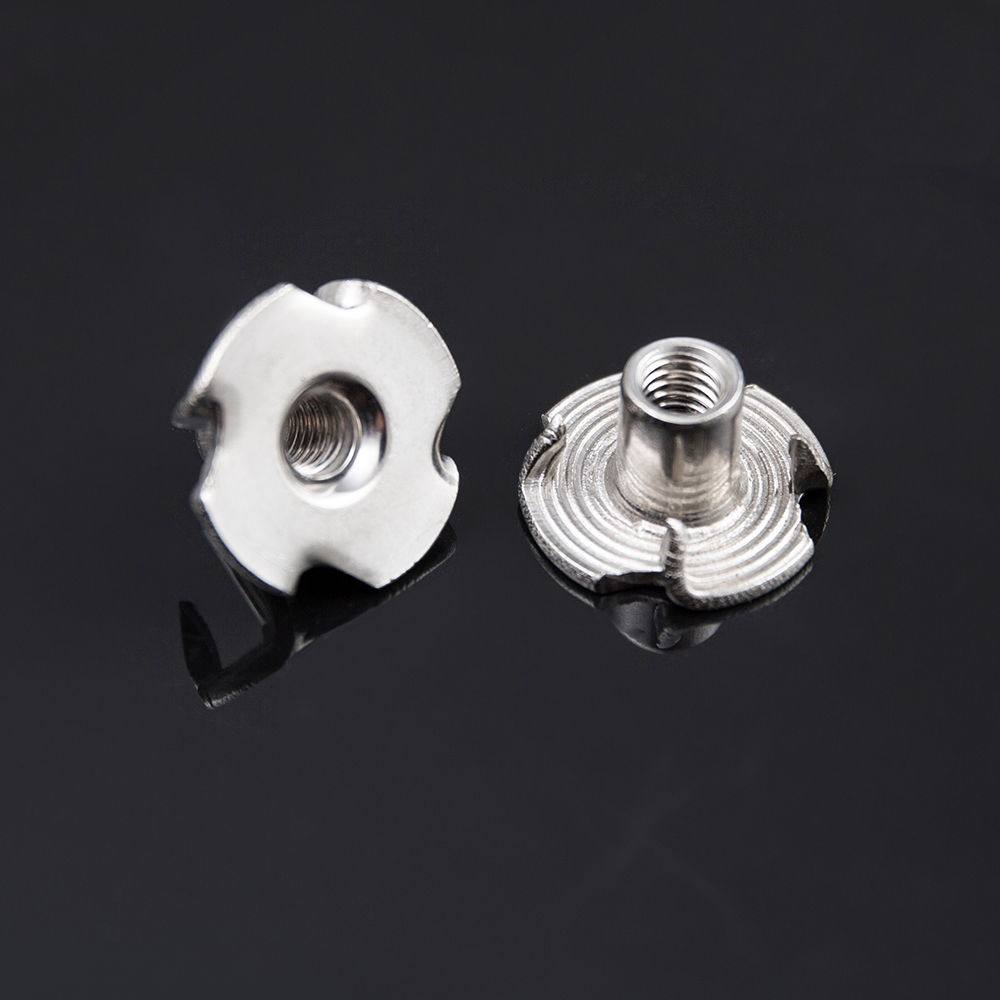
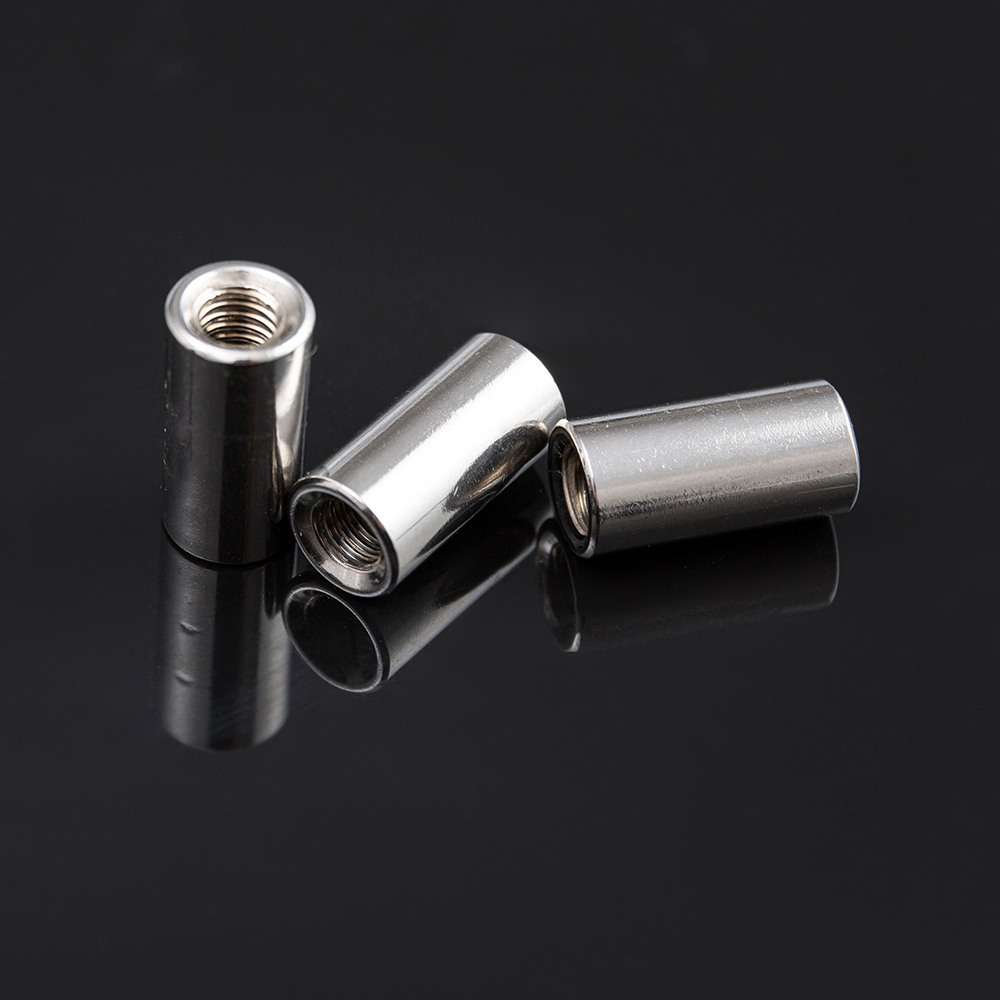
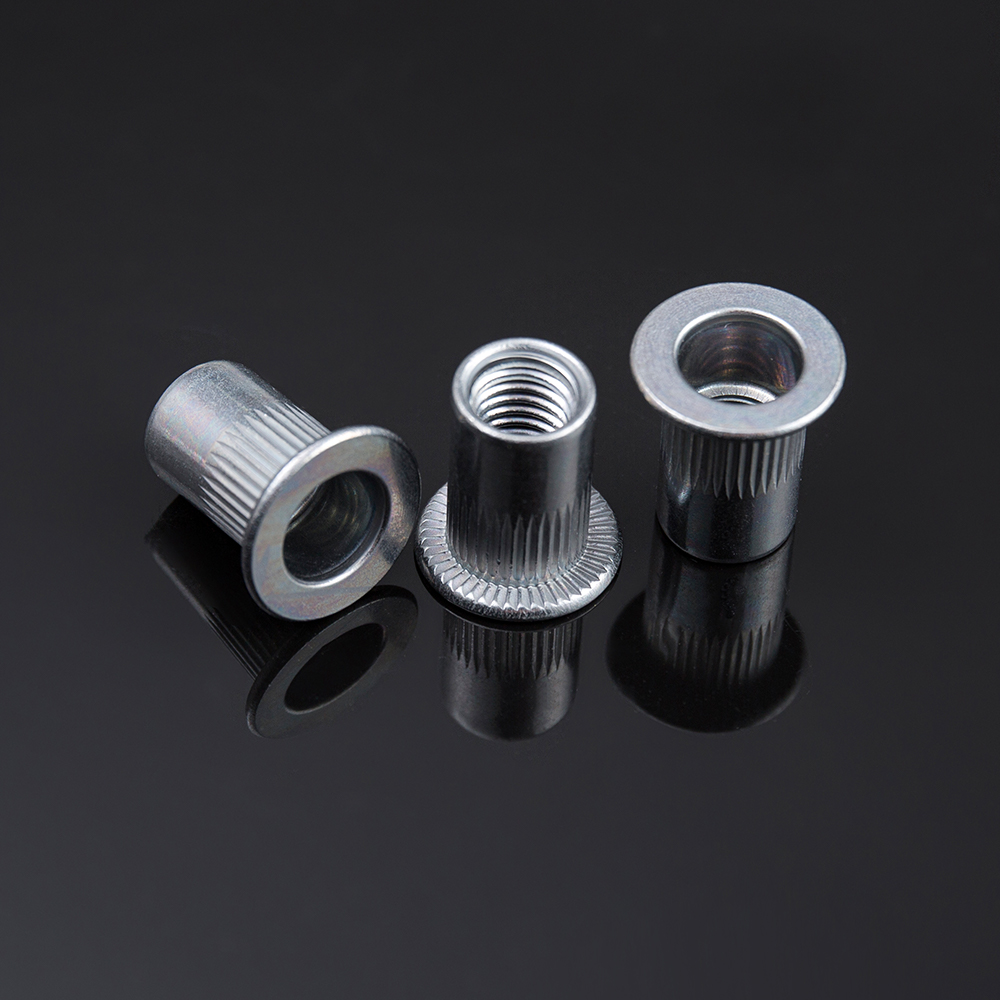
Wśród niestandardowych elementów mocujących, specjalne nakrętki wkładane są szeroko stosowane, gdy połączenie gwintowe musi być zintegrowane z materiałami, które nie mogą bezpośrednio wspierać tradycyjnych gwintów. Nakrętki te są często instalowane w panelach, profilach, tworzywach sztucznych, materiałach kompozytowych lub cienkich konstrukcjach metalowych, aby zapewnić trwałe gwintowane punkty mocowania. Ich funkcja pozycjonowania czyni je cennymi w elektronice, sprzęcie przemysłowym i zespołach precyzyjnych.
Głównym wyzwaniem podczas usuwania tych nakrętek jest to, że mogą one być ściśle osadzone w materiale podstawowym. Nagromadzenie rdzy wokół obszaru gwintu, nadmierny moment obrotowy podczas montażu lub narażenie na czynniki środowiskowe mogą powodować sklejanie się nakrętki i śruby. Z tego powodu usuwanie powinno skupiać się na zmniejszeniu stresu, a nie natychmiastowym stosowaniu nadmiernej siły. Prawidłowe podejście zwykle obejmuje oczyszczenie odsłoniętego obszaru, zastosowanie odpowiedniego zabiegu penetrującego, wybór odpowiedniego narzędzia i zabezpieczenie otaczającej konstrukcji.
Producenci produkujący specjalne nakrętki wkładane należy wziąć pod uwagę dokładność gwintu, zgodność materiałową, odporność na korozję i wymagania instalacyjne. Czynniki te wpływają nie tylko na wydajność produktu, ale także na przyszłą dostępność konserwacji. W zastosowaniach przemysłowych dobrze zaprojektowane nakrętki wkładane zmniejszają ryzyko uszkodzenia gwintu i umożliwiają operatorom sprzętu wydajniejsze wykonywanie napraw.
- Przed przyłożeniem siły sprawdź nakrętkę i otaczający ją zespół.
- Ostrożnie usuń korozję powierzchniową, aby odsłonić obszar połączenia.
- Używaj odpowiednich narzędzi, które odpowiadają budowie i zastosowaniu nakrętki.
- Podczas ekstrakcji należy unikać uszkodzenia materiału podstawowego.
Nakrętki motylkowe i nakrętki kwadratowe: radzenie sobie z korozją zewnętrzną i deformacją
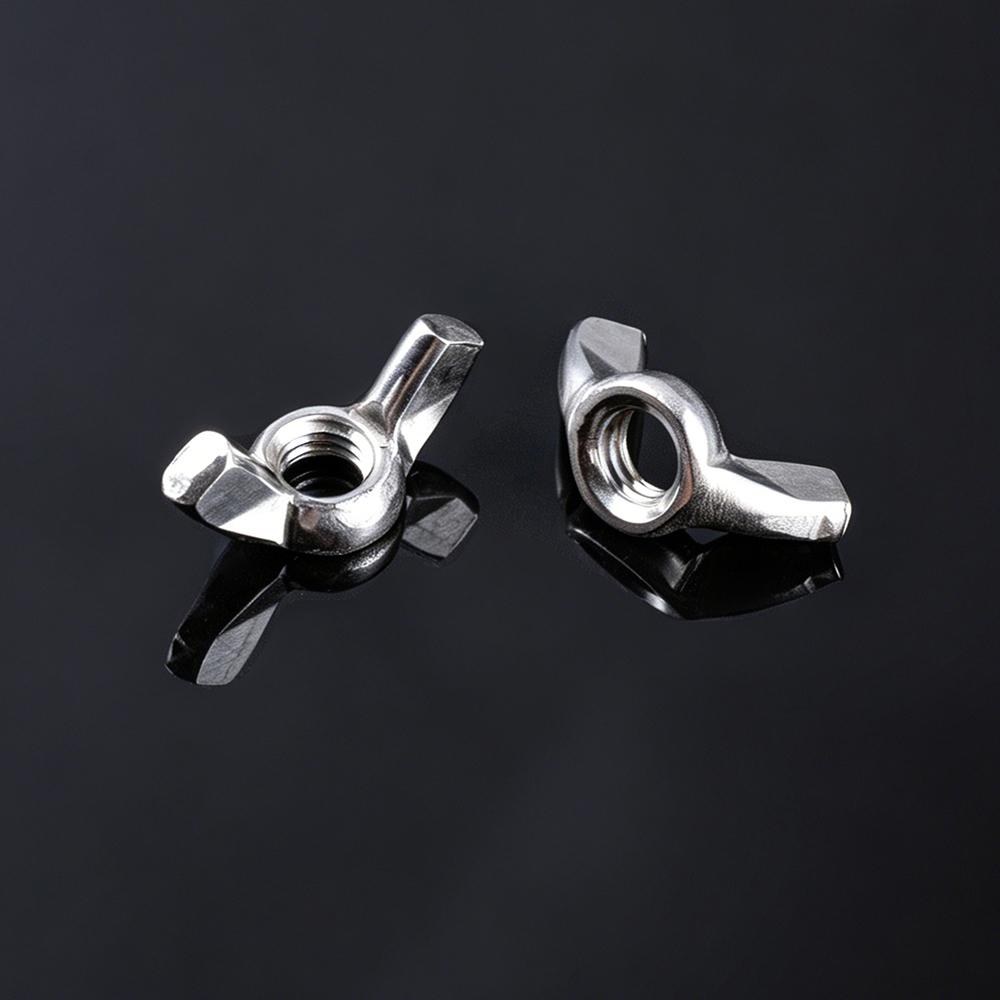
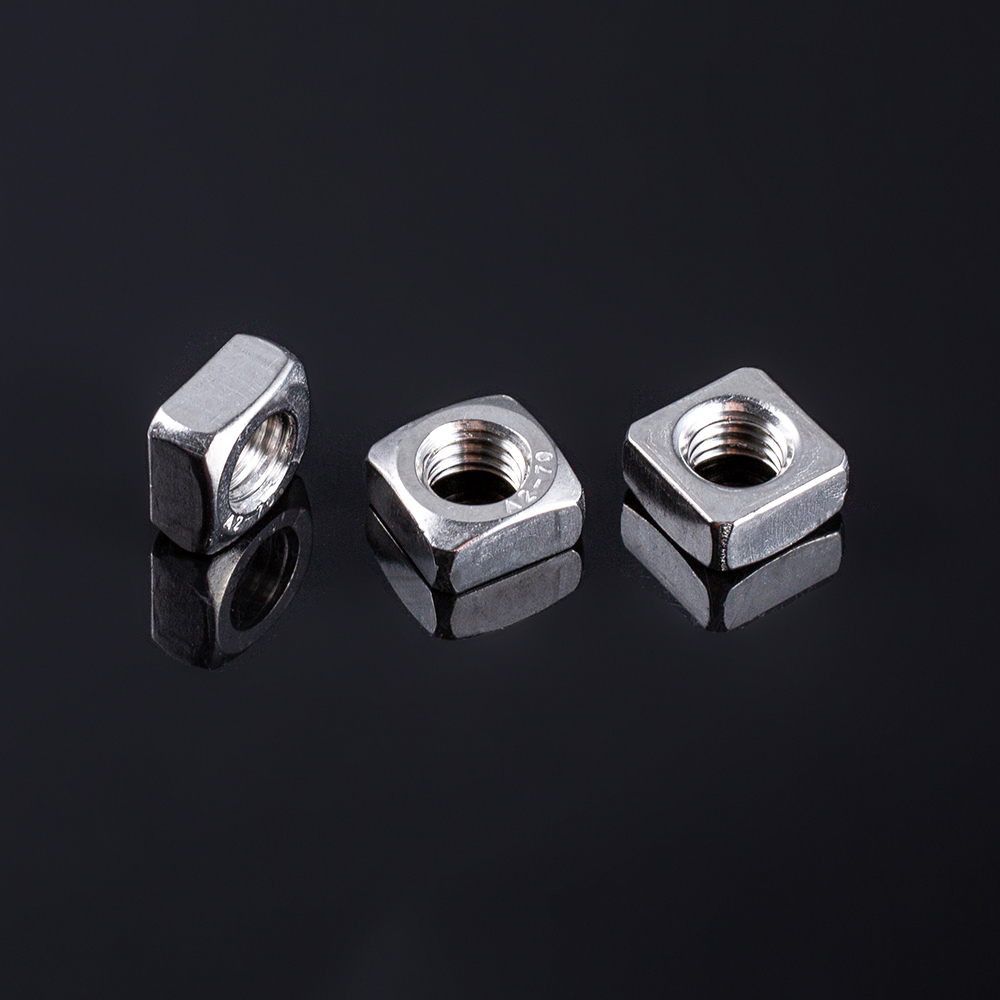
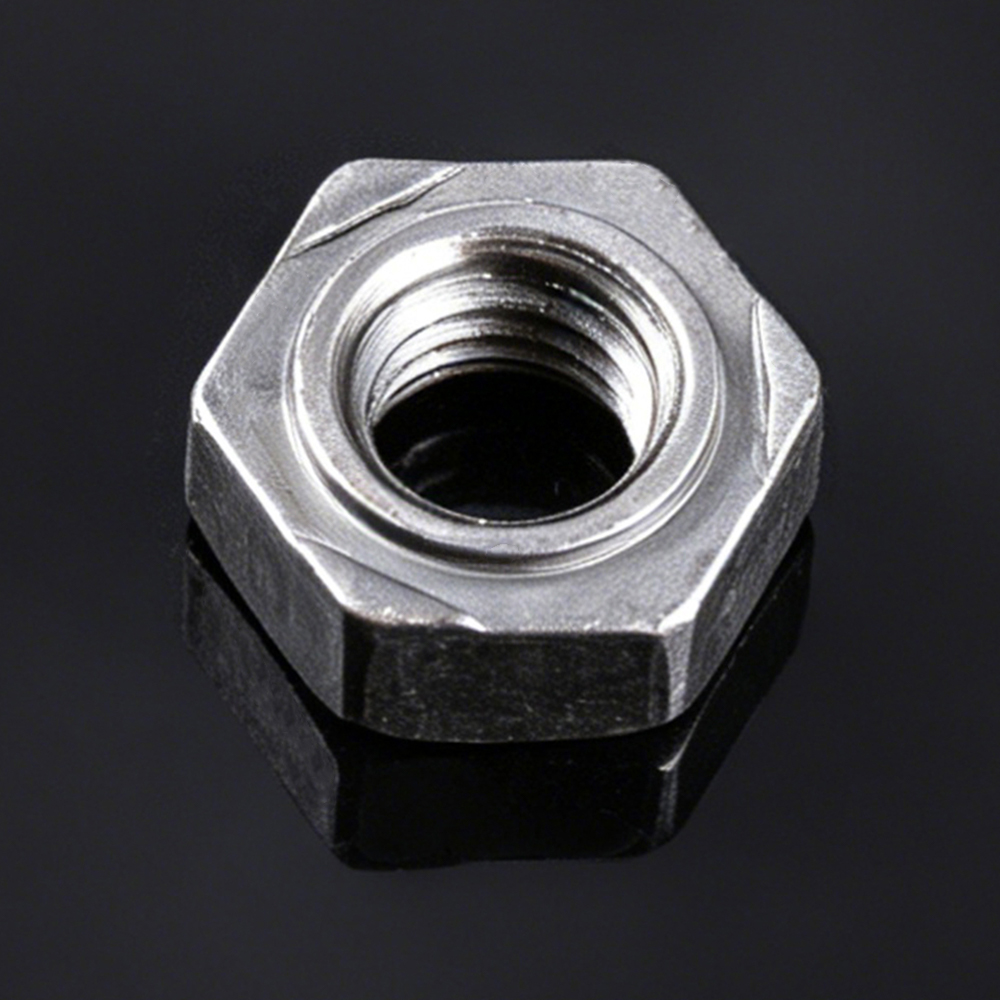
Nakrętki motylkowe i nakrętki kwadratowe stanowią kolejną ważną kategorię nakrętki specjalnego przeznaczenia zaprojektowane do specyficznych warunków instalacji. Nakrętki motylkowe umożliwiają beznarzędziową regulację dzięki wysuniętym skrzydełkom, dzięki czemu nadają się do częstego montażu i demontażu. Nakrętki kwadratowe zapewniają zwiększony kontakt powierzchniowy i odporność na obrót, co czyni je przydatnymi w kanałach, ramach i konstrukcjach przemysłowych.
Kiedy nakrętka motylkowa zatnie się, proces demontażu powinien chronić konstrukcję skrzydła, ponieważ nadmierna siła chwytania może wygiąć lub złamać wysunięte sekcje. Kontrolowane podejście przy użyciu odpowiednich szczypiec lub regulowanych narzędzi jest na ogół bezpieczniejsze niż wciskanie nakrętki na siłę przy niekontrolowanym uderzeniu. W przypadku nakrętek kwadratowych korozja wokół płaskich boków może zmniejszyć zaangażowanie narzędzia, dlatego czyszczenie powierzchni stykowych jest ważnym krokiem przygotowawczym.
Te kategorie nakrętek różnią się od wbudowanych rozwiązań mocujących, ponieważ są zwykle dostępne z zewnątrz. Ich zaletą jest łatwiejszy montaż i regulacja, jednak ich odsłonięta geometria może zwiększać kontakt z wilgocią, kurzem i zanieczyszczeniami przemysłowymi. Wybór odpowiednich materiałów i obróbki powierzchni podczas produkcji może znacznie wydłużyć żywotność.
| Kategoria orzechów | Główna funkcja | Typowe zastosowania | Uwagi dotyczące usuwania |
| Włóż nakrętki | Zapewnij wewnętrzne połączenia gwintowe | Panele, elektronika, obudowy maszyn | Chroń otaczający materiał i unikaj uszkodzenia gwintu |
| Nakrętki skrzydełkowe | Włącz szybką ręczną regulację | Oprawy, osłony, regulowane elementy | Zapobiegaj deformacji skrzydeł podczas demontażu |
| Nakrętki kwadratowe | Zapewniają stabilne mocowanie zapobiegające obracaniu się | Ramy, kanały, urządzenia przemysłowe | Utrzymuj zaangażowanie narzędzia płaską stroną |
Nakrętki T i niestandardowe rozwiązania nakrętek przemysłowych do trudnych środowisk
Nakrętki teowe to kolejna wyspecjalizowana kategoria elementów mocujących, powszechnie stosowana w zastosowaniach wymagających bezpiecznego pozycjonowania w szczelinach lub profilach. Często można je spotkać w konstrukcjach maszyn, systemach modułowych i sprzęcie regulowanym, ponieważ ich unikalny kształt umożliwia montaż w przygotowanych kanałach. W porównaniu ze standardowymi elementami mocującymi, nakrętki teowe zapewniają większą elastyczność podczas montażu i wyrównywania.
Usunięcie zardzewiałej nakrętki teowej wymaga starannego rozważenia, ponieważ nakrętka może zostać zablokowana wewnątrz szyny lub profilu. Zastosowanie nadmiernej siły skręcającej może uszkodzić konstrukcję szczeliny i spowodować dodatkowe koszty naprawy. Profesjonalne metody usuwania zazwyczaj obejmują stabilizację otaczającego elementu, oczyszczenie obszaru styku i stopniowe rozluźnianie połączenia przy jednoczesnym zachowaniu wyrównania.
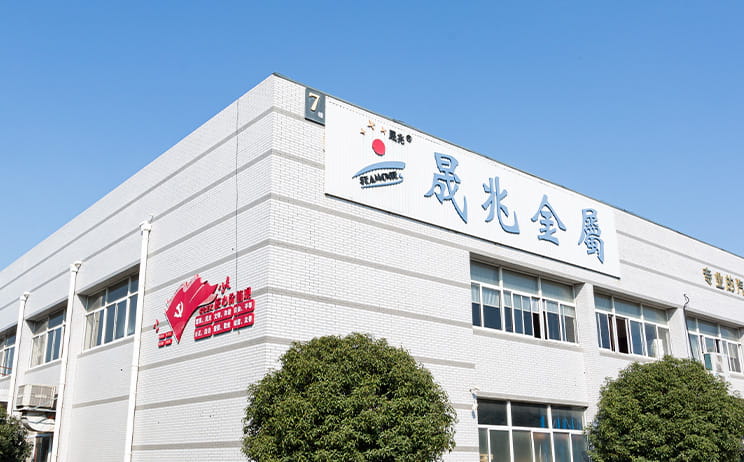
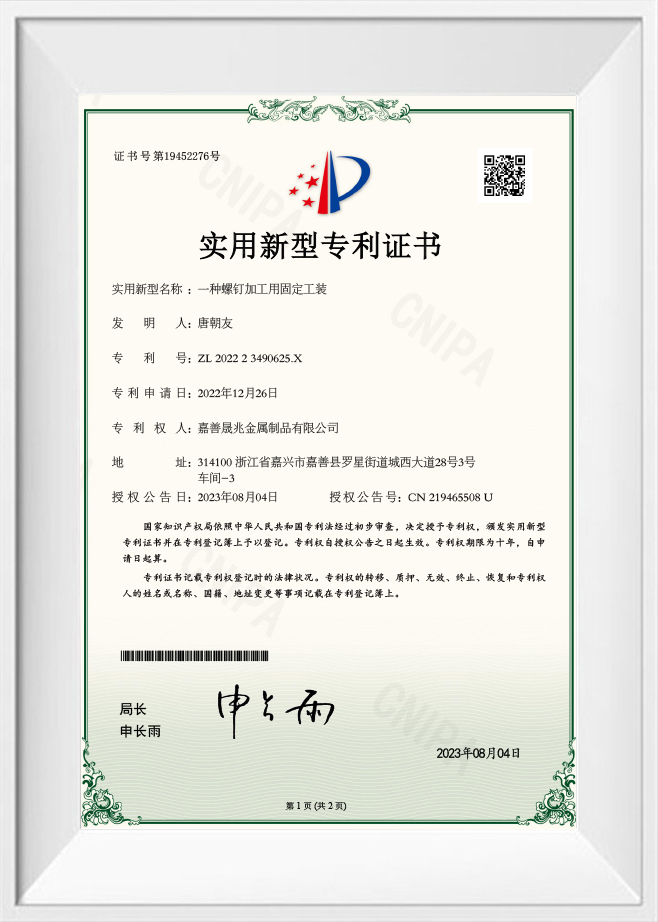
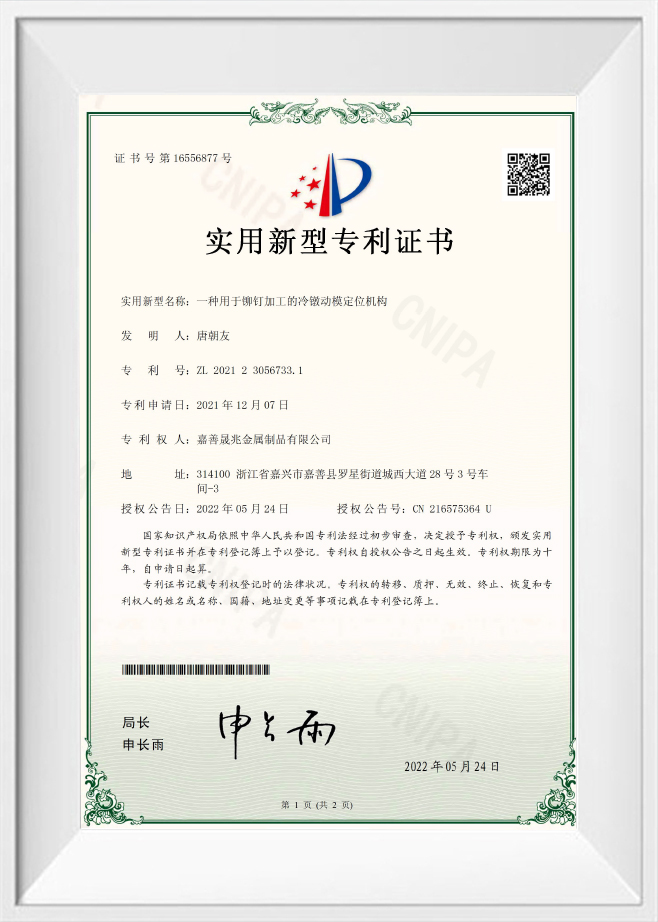
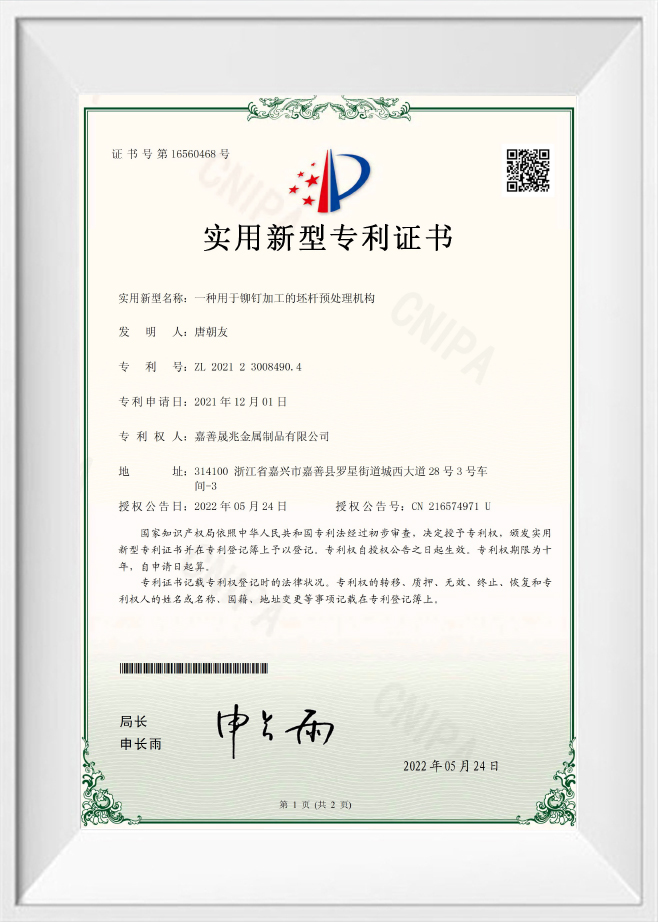
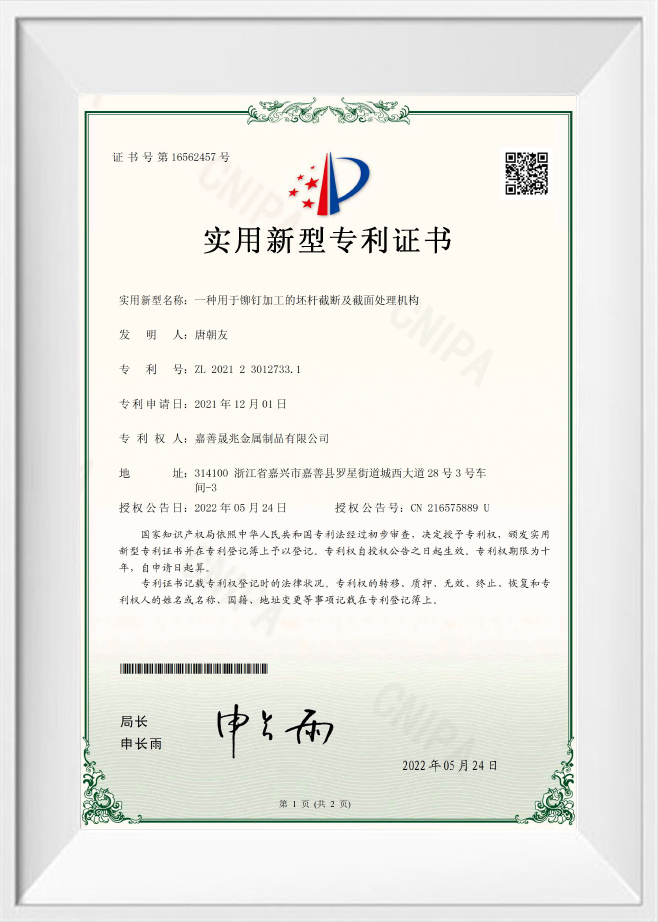
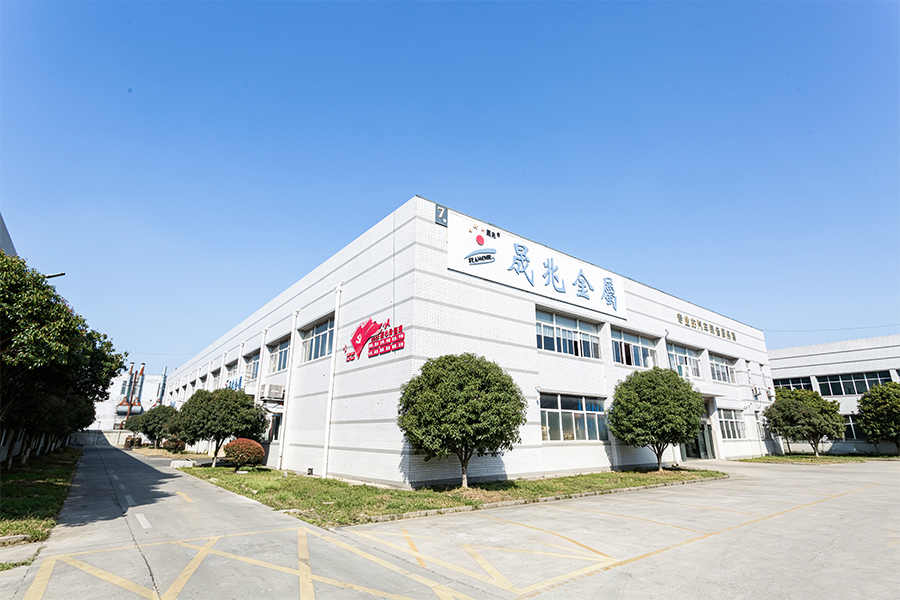
Współcześni klienci przemysłowi często wymagają niestandardowych projektów nakrętek wykraczających poza popularne kategorie. specjalne orzechy mogą obejmować nietypowe kształty, niestandardowe wymiary, specjalne rowki lub niestandardowe materiały zgodnie z wymaganiami sprzętu. Zhejiang Chance & Union Import and Export Co., Ltd. (Chance & Union) zapewnia niestandardowe rozwiązania w zakresie mocowania w oparciu o rysunki klientów, wymagania dotyczące tolerancji i standardy materiałowe. Firma wspiera produkcję nakrętek, śrub, podkładek, sworzni, śrub i innych precyzyjnych elementów poprzez procesy kucia na zimno, kucia na gorąco i obróbki CNC.
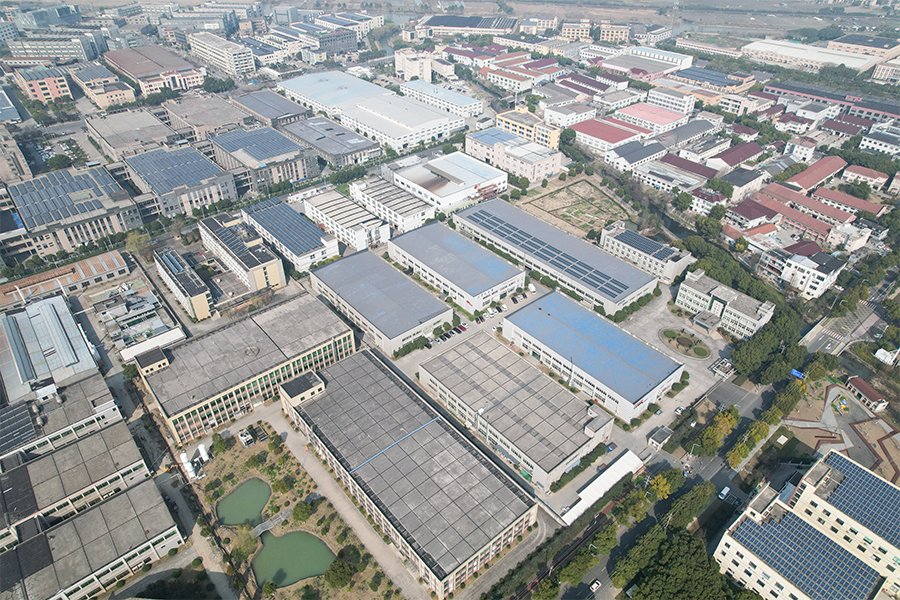
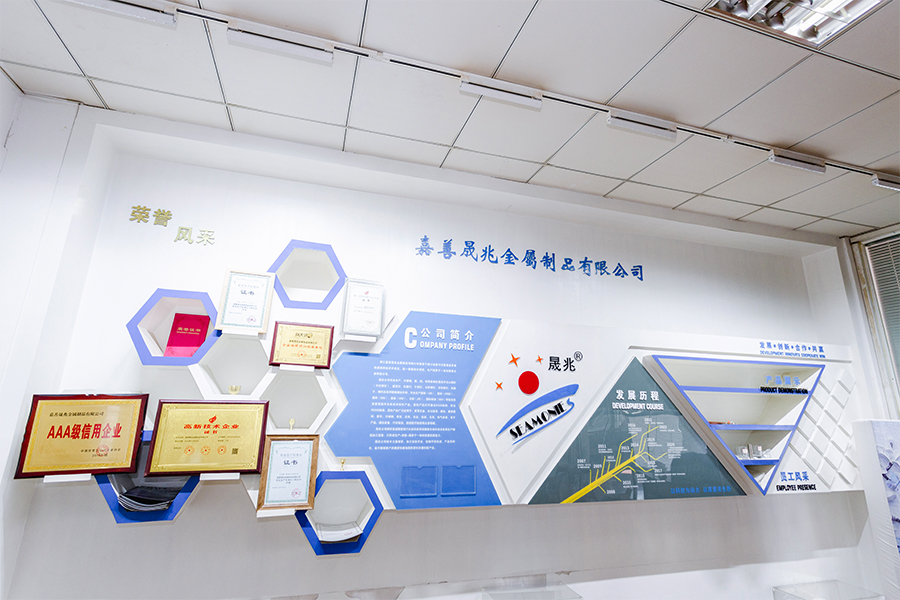
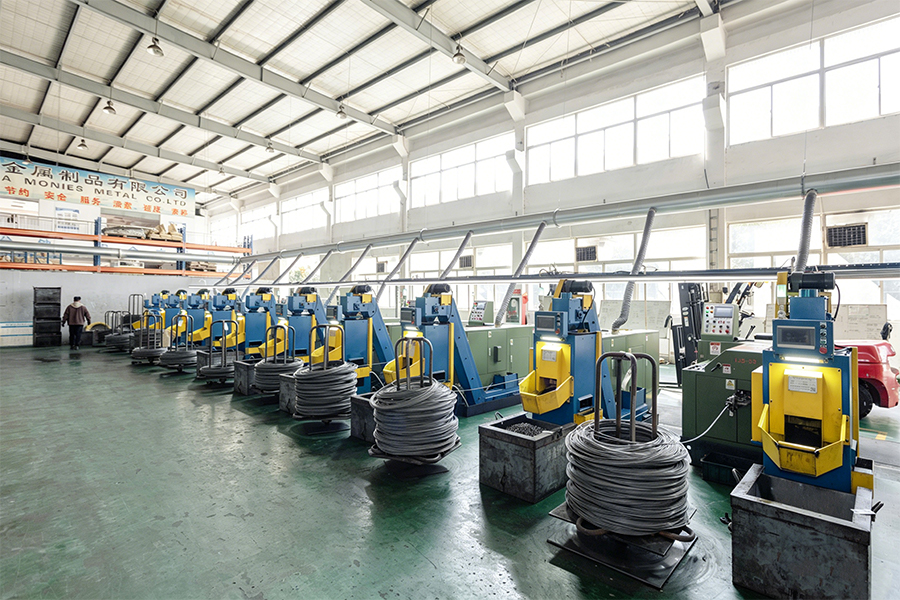
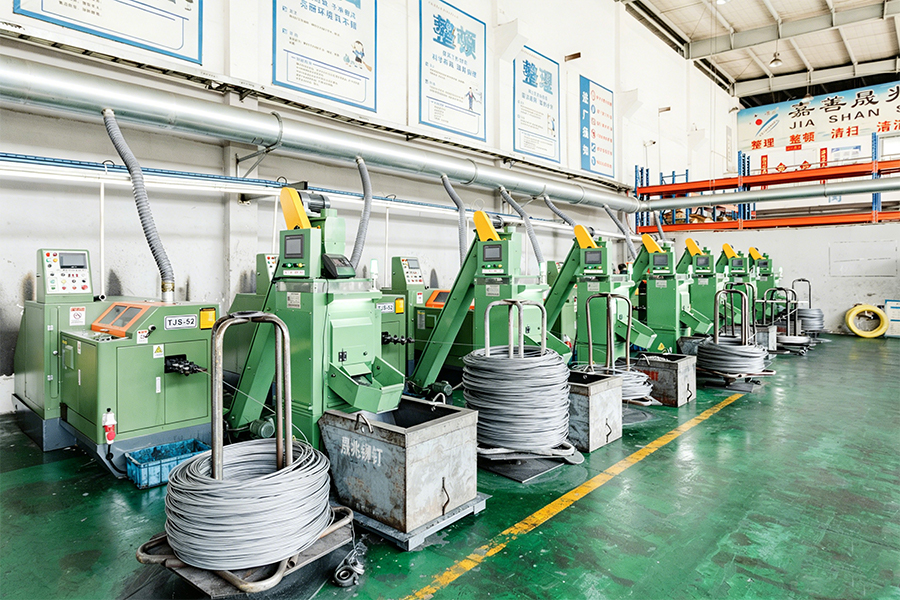
Dzięki doświadczeniu produkcyjnemu odziedziczonemu od SEA Monies Metal Co., Ltd., Zhejiang Chance & Union Import and Export Co., Ltd. koncentruje się na stabilnej kontroli jakości i możliwościach dostaw międzynarodowych. Rozwój produktów obejmuje stal nierdzewną, stal stopową, stop aluminium, miedź, tytan, stal dupleks, Hastelloy i inne stopy specjalne. Możliwości te pozwalają klientom uzyskać elementy mocujące odpowiednie dla wymagających branż, takich jak przemysł lotniczy, pojazdy elektryczne i sprzęt medyczny.
- Zidentyfikuj strukturę nakrętki i określ, czy można ją usunąć bez uszkodzenia zespołu.
- Przygotuj odpowiednie narzędzia i oczyść miejsce mocowania z korozji.
- Zastosuj techniki kontrolowanego rozluźniania zamiast nadmiernej siły.
- Sprawdź usunięty element i oceń, czy wymagana jest wymiana.
Bezpieczne procedury usuwania zardzewiałych i zapieczonych nakrętek
Niezależnie od rodzaju nakrętki, bezpieczne usuwanie wymaga systematycznego procesu. Pierwszym krokiem jest kontrola wizualna w celu określenia poziomu korozji, deformacji, dostępności i potencjalnych zagrożeń. Różne materiały i konstrukcje w różny sposób reagują na siłę mechaniczną, dlatego istotne jest zrozumienie kategorii nakrętek.
Kolejnym etapem jest przygotowanie obszaru podłączenia. Brud, utlenienie i zanieczyszczenia powierzchni należy dokładnie usunąć. Narzędzia muszą pasować do profilu nakrętki, aby zapobiec zaokrągleniom lub uszkodzeniom konstrukcyjnym. Jeśli element pozostaje nieruchomy, preferowane są metody stopniowego rozluźniania niż metody agresywne, które mogą oddziaływać na pobliskie części.
Dla klientów przemysłowych profilaktyka jest równie ważna. Wybór materiałów odpornych na korozję, zastosowanie prawidłowych metod montażu i wybór odpowiedniego projektu nakrętek może zmniejszyć przyszłe problemy z zatarciem. Profesjonalni dostawcy zapewniają również konsultacje techniczne, analizę awarii, identyfikowalność partii i wsparcie w cyklu życia w celu poprawy niezawodności mocowania.
Możliwości produkcyjne kryjące się za niezawodnymi, specjalistycznymi nakrętkami
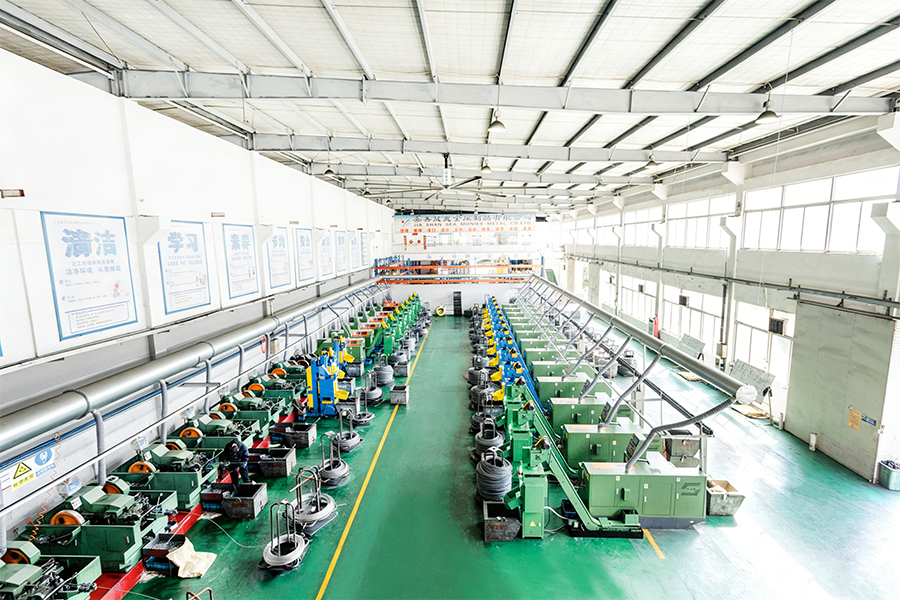
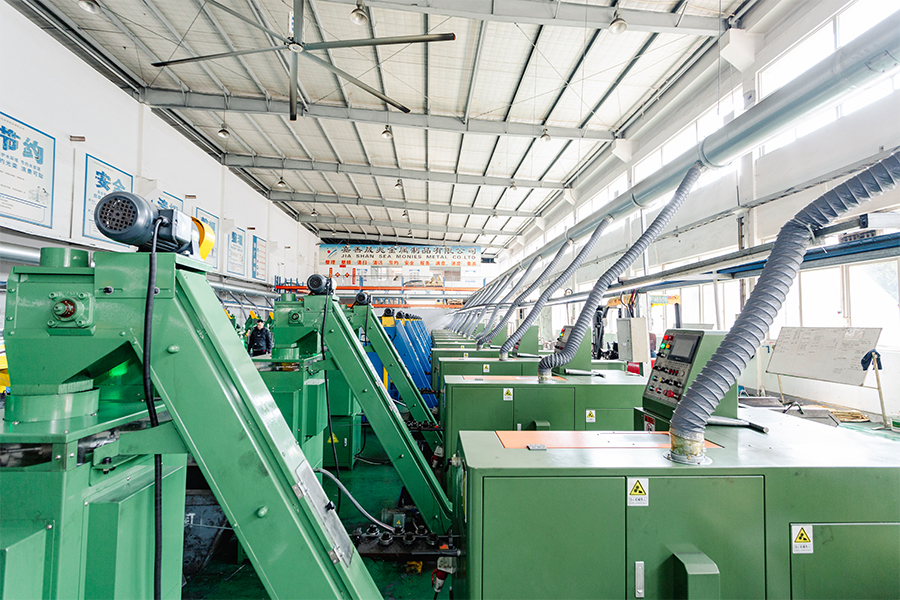
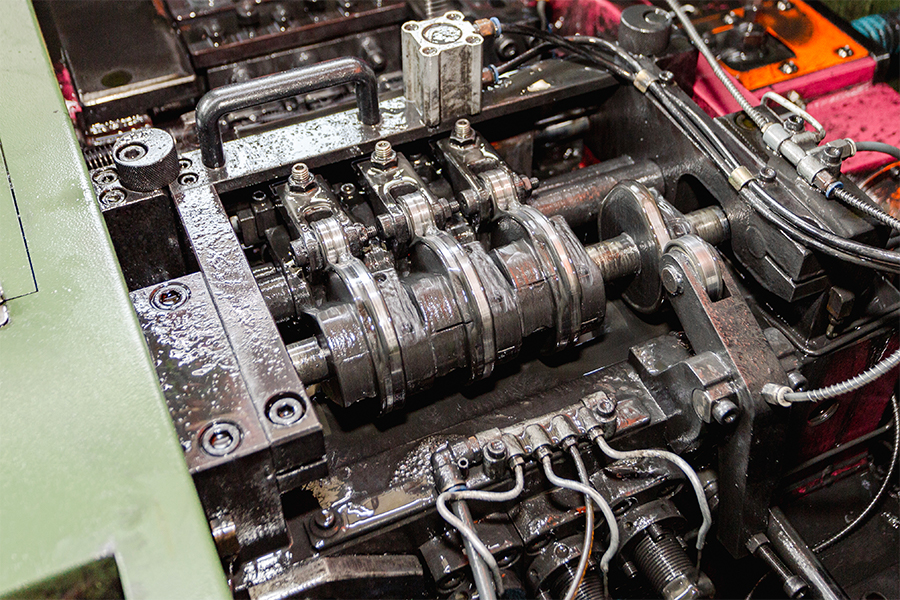
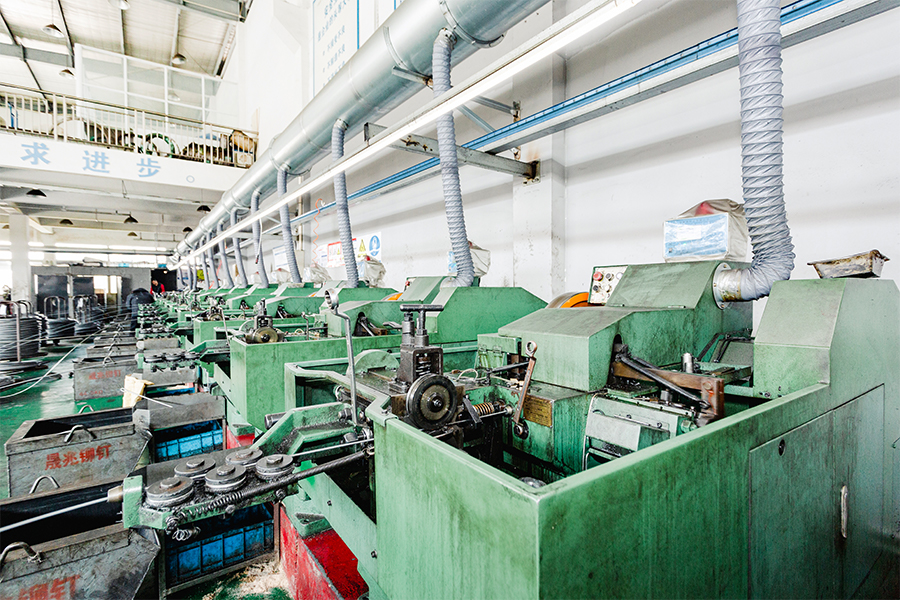
Wydajność niestandardowych elementów złącznych zależy w dużej mierze od precyzji wykonania. Zhejiang Chance & Union Import and Export Co., Ltd. łączy możliwości badawczo-rozwojowe ze zautomatyzowanymi procesami produkcyjnymi, aby zachować spójność zamówień wielkoseryjnych. Firma specjalizuje się w wysokiej klasy niestandardowej personalizacji, w tym w niestandardowych kształtach, specjalnych głowicach, specjalnych rowkach oraz bardzo długich lub cienkich komponentach.
Dzięki ścisłemu zarządzaniu jakością i profesjonalnemu wsparciu inżynieryjnemu Chance & Union pomaga klientom stawić czoła wyzwaniom technicznym, od projektu produktu po zastosowanie w świecie rzeczywistym. Podejście produkcyjne firmy koncentruje się na precyzyjnych tolerancjach, doborze materiałów i niezawodnej dostawie, zapewniając, że każda partia spełnia specyfikacje klienta.
Często zadawane pytania
P1: Do czego głównie używa się orzechów specjalnych?
Nakrętki specjalne zostały zaprojektowane z myślą o wyjątkowych wymaganiach dotyczących mocowania, gdzie nakrętki standardowe nie mogą zapewnić odpowiedniego montażu, regulacji lub parametrów konstrukcyjnych. Są powszechnie stosowane w maszynach, elektronice, sprzęcie przemysłowym i zespołach niestandardowych.
P2: W jaki sposób można bezpiecznie usunąć specjalne nakrętki wtykowe?
Demontaż specjalnych nakrętek wymaga dokładnej kontroli, oczyszczenia z korozji, odpowiedniego doboru narzędzia i kontrolowanego przyłożenia siły. Celem jest uniknięcie uszkodzenia otaczającego materiału lub gwintów wewnętrznych.
P3: Czym nakrętki specjalnego przeznaczenia różnią się od nakrętek standardowych?
Nakrętki specjalnego przeznaczenia zwykle mają unikalne kształty, metody instalacji lub wymagania dotyczące wydajności. Zostały opracowane do konkretnych zastosowań, takich jak regulowane konstrukcje, połączenia osadzone lub zespoły o ograniczonej przestrzeni.
P4: Czy firma Chance & Union może produkować nakrętki specjalne na zamówienie?
Tak. Zhejiang Chance & Union Import and Export Co., Ltd. zapewnia niestandardowe rozwiązania w zakresie mocowania zgodnie z rysunkami, normami materiałowymi i wymaganiami dotyczącymi tolerancji, obsługując różne niestandardowe konstrukcje nakrętek i precyzyjnych komponentów.





